
A temp number is often discussed in the context of online account verification, especially when users try to sign up for platforms like Facebook.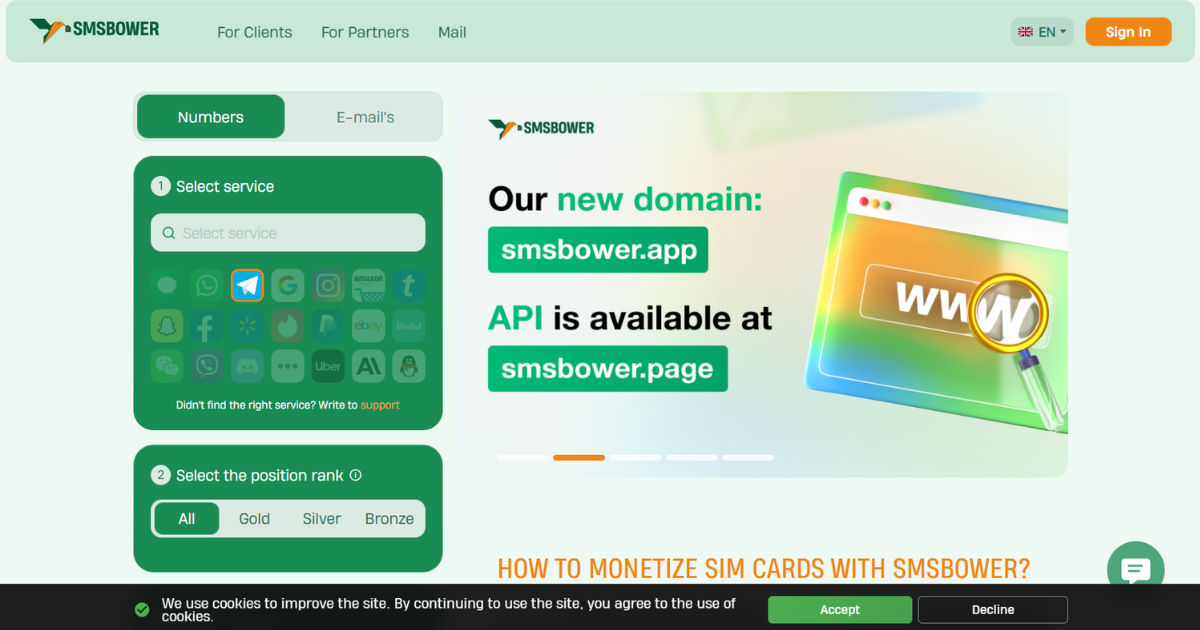
In simple terms, a temp number is a short-term or virtual phone number that can receive SMS codes for verification purposes.
Many people search for how a temp number works for Facebook verification, but it is important to understand both the technical side and the risks involved before using such services.
In this guide, we will explain in detail how a temp number works, why people use a temp number for Facebook verification, what limitations exist, and what safer alternatives are available. This article is written in simple language so 12th-grade students and beginners can easily understand the concept.
What is a Temp Number?
A temp number is a virtual or disposable phone number that is not permanently assigned to a single user. Instead of being tied to a physical SIM card owned by one person, a temp number is usually provided through online services or apps.
A temp number can:
- Receive SMS messages for verification
- Be used for a short time only
- Be shared among multiple users (in some cases)
- Expire after a certain period
People often use a temp number when they do not want to share their personal phone number. However, not all temp number services are reliable, and some may stop working quickly.
How a Temp Number Works Technically
To understand how a temp number works, it helps to break the system into simple steps.
Virtual Number System
A temp number is usually part of a virtual phone system. This system is connected to:
- Online telecom gateways
- Cloud servers
- SMS receiving platforms
When someone uses a temp number, they are not actually using a physical SIM card. Instead, the temp number is hosted on a server.
SMS Reception Process
When a service like Facebook sends a verification code, the process for a temp number works like this:
- Facebook sends an SMS to the temp number
- The SMS goes through telecom networks
- The virtual system receives the message
- The message is displayed on a website or app dashboard
This allows users of a temp number service to see the verification code online.
Shared Access Model
Many temp number services recycle numbers. This means:
- One temp number may be used by multiple users
- Messages can sometimes be visible to others
- Numbers may change frequently
This shared nature is one of the biggest limitations of a temp number.
Temp Number for Facebook Verification
Facebook requires phone verification for many actions such as account creation, login recovery, or suspicious activity checks. A temp number is sometimes used in this process.
Why Facebook Requests Verification
Facebook uses phone verification to:
- Prevent fake accounts
- Reduce spam activity
- Improve account security
- Protect user identity
A temp number is sometimes used by people who do not want to use their personal phone number for these checks.
Conceptual Use of Temp Number
When someone uses a temp number for Facebook verification, the idea is simple:
- The user enters the temp number during signup
- Facebook sends a verification code
- The user retrieves the code from the temp number system
- The account is verified
However, Facebook systems are highly advanced and often detect suspicious or shared numbers.
A temp number may work temporarily, but it is not guaranteed to remain functional for long-term account use.
Why People Use Temp Number Services
There are several reasons why individuals look for a temp number instead of using their personal number.
Privacy Concerns
Many users prefer a temp number because they do not want to share personal information online. A temp number feels like a layer of privacy protection.
Avoiding Spam Calls and Messages
Using a personal number on websites can sometimes lead to:
- Marketing messages
- Spam calls
- Unwanted promotions
A temp number is used to avoid this issue.
Creating Multiple Accounts
Some users try to create more than one account and use a temp number to verify them. This is one of the most common reasons people search for a temp number.
Testing and Development
Developers or testers sometimes use a temp number to:
- Test SMS verification systems
- Check app functionality
- Simulate user registration flows
In this case, a temp number is used for technical testing rather than personal use.
Limitations of Temp Number Services
Although a temp number sounds convenient, there are many limitations.
Unreliable Delivery of Codes
A major issue with a temp number is that verification messages may not always arrive. Facebook SMS systems sometimes block or delay messages to virtual numbers.
Shared Access Risk
Because many temp number platforms reuse numbers:
- Someone else may see your verification code
- Privacy is not guaranteed
- Accounts can be compromised
This makes a temp number risky for sensitive accounts.
Short Lifespan
A temp number often expires quickly. Once expired:
- You lose access to messages
- You cannot recover accounts linked to it
- Verification becomes impossible
Blocking by Platforms
Many platforms like Facebook actively detect and block known temp number ranges. This reduces the success rate of using a temp number for verification.
Facebook Policies and Temp Number Usage
Facebook has strict policies regarding account authenticity and security.
Detection Systems
Facebook uses automated systems to identify:
- Virtual phone numbers
- Suspicious registration patterns
- Reused verification numbers
A temp number is often flagged by these systems.
Account Risk
If Facebook detects a temp number, it may:
- Reject the verification attempt
- Ask for additional verification
- Suspend or disable the account
This means a temp number does not guarantee account stability.
Security Concerns
Facebook prioritizes real user identity. A temp number may weaken account trust and lead to long-term restrictions.
Common Misunderstandings About Temp Number
Many people have incorrect assumptions about a temp number.
“It Guarantees Anonymity”
A temp number does not guarantee full anonymity. Platforms can still track IP addresses, device fingerprints, and usage patterns.
“It Works Forever”
A temp number is temporary by design. It is not meant for long-term use.
“It Is Always Free and Safe”
While some temp number services are free, they are not always safe or reliable. Some may expose user data or reuse messages publicly.
Risks of Using Temp Number for Verification
Using a temp number for Facebook verification carries several risks.
Account Loss
If the temp number expires or is reused, you may lose access to your account.
Security Exposure
A temp number may allow others to view your verification code, leading to unauthorized access.
Data Privacy Issues
Some temp number platforms store or display messages publicly, which can expose sensitive information.
Violation of Platform Rules
Using a temp number may go against Facebook’s policies, which can lead to restrictions or bans.
Safer Alternatives to Temp Number
Instead of relying on a temp number, there are safer options.
Personal Mobile Number
The most secure option is using your real phone number. It ensures:
- Full account recovery
- Strong identity verification
- Long-term reliability
Secondary SIM Card
If privacy is a concern, using a second SIM card is better than a temp number because:
- It is private
- It is stable
- It remains under your control
Email-Based Security
Facebook also allows email verification. While not a replacement for phone security, it adds an extra layer of protection.
Two-Factor Authentication
Instead of depending on a temp number, users should enable:
- Authenticator apps
- Login alerts
- Backup codes
These methods are much more secure.
How Temp Number Services Are Evolving
The concept of a temp number has evolved over time.
Early Systems
Earlier temp number systems were simple SMS receivers shared publicly.
Modern Virtual Numbers
Today, a temp number may be part of:
- Cloud telephony systems
- App-based virtual SIM services
- Paid private number services
These modern systems are more advanced but still face limitations with platforms like Facebook.
Ethical and Responsible Use
A temp number can be useful when used responsibly, such as:
- Testing applications
- Protecting privacy in non-sensitive signups
- Temporary communication needs
However, using a temp number to bypass platform rules or create fake identities raises ethical concerns and can lead to account restrictions.
Future of Verification Systems
As security systems improve, reliance on a temp number is expected to decrease.
Platforms like Facebook are increasingly using:
- Device-based verification
- Biometric checks
- AI-driven fraud detection
This means a temp number will become less effective over time.
Conclusion
A temp number is a virtual, short-term phone number used mainly for receiving SMS verification codes. While it may seem convenient for Facebook verification, it comes with significant risks such as account instability, privacy concerns, and potential policy violations.
A temp number works by routing SMS messages through online systems, but its shared and temporary nature makes it unreliable for long-term use. Facebook’s security systems are also designed to detect and restrict such numbers, reducing their effectiveness.
For safer and more reliable account management, it is always better to use a personal phone number, a secondary SIM, or secure authentication methods instead of relying on a temp number.
In the end, understanding how a temp number works helps users make informed decisions about online security, privacy, and responsible digital behavior.