
Infrared Heating Systems UK are becoming an increasingly popular choice for homeowners looking for energy-efficient, modern, and low-maintenance ways to heat their homes.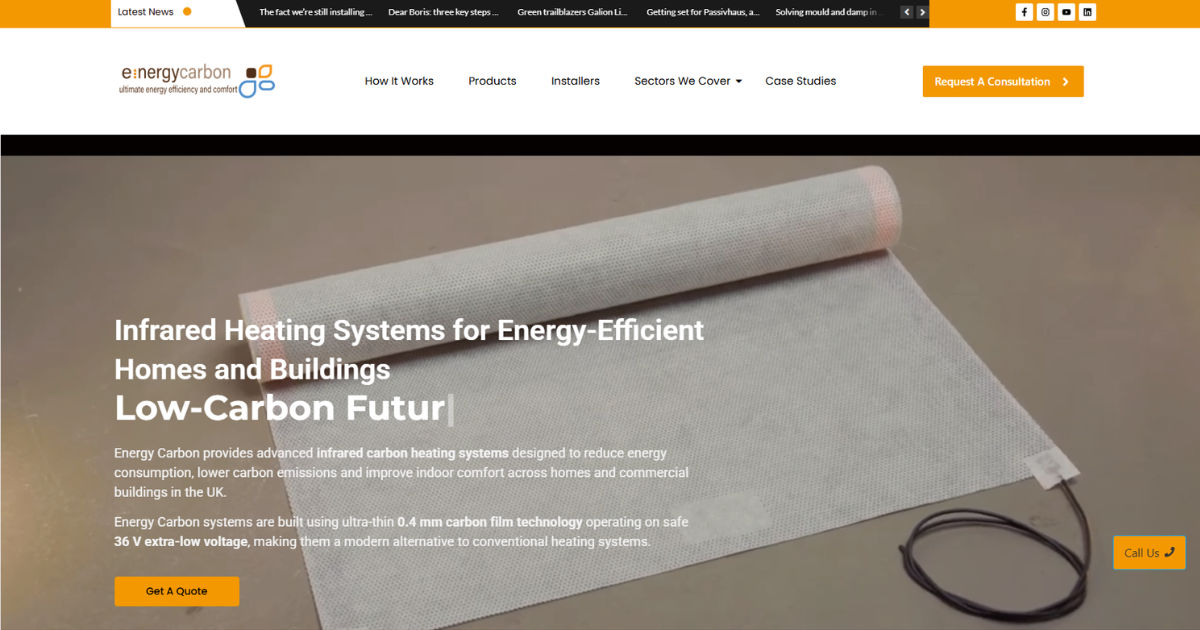
Infrared Heating Systems UK work differently from traditional central heating systems, offering a unique approach that directly warms objects and people rather than just heating the air.
In this comprehensive guide, we will explore everything you need to know about Infrared Heating Systems UK, including how they work, their advantages, disadvantages, costs, installation, and whether they are right for your home.
Understanding Infrared Heating Systems UK
Infrared Heating Systems UK operate using electromagnetic waves that transfer heat directly to surfaces, objects, and people in a room. Unlike convection heating, which warms the air, infrared heating focuses on radiant heat transfer.
This means you feel warmth almost instantly when the system is turned on. Infrared Heating Systems UK are often installed as wall panels, ceiling panels, or portable heaters.
They are commonly used in homes, offices, garages, and even outdoor spaces.
Infrared Heating Systems UK are often considered part of modern sustainable heating solutions because they can be powered by electricity, including renewable sources like solar panels.
How Infrared Heating Works in Homes
Infrared heating works in a simple but scientifically advanced way. Instead of warming the air, it emits infrared radiation that is absorbed by:
- Walls
- Floors
- Furniture
- People
These objects then release heat gradually, maintaining a comfortable temperature for longer periods.
Infrared Heating Systems UK do not rely on air circulation, which makes them very different from radiators or forced-air heating systems.
Because there is no air movement, there is also less dust circulation, which can improve indoor air quality.
Types of Infrared Heating Systems UK
There are several types of Infrared Heating Systems UK available for residential use:
Infrared Panels
These are flat panels mounted on walls or ceilings. They are the most common option for modern homes.
Portable Infrared Heaters
These can be moved from room to room and are ideal for flexible heating needs.
Infrared Ceiling Heaters
Installed in ceilings, these provide wide and even heat distribution.
Infrared Underfloor Heating
Less common but highly efficient, this system heats floors directly using infrared technology.
Each type of Infrared Heating Systems UK has different installation needs and efficiency levels.
Pros of Infrared Heating Systems UK
Infrared heating offers several benefits that make it attractive for homeowners.
Energy Efficiency
One of the biggest advantages of Infrared Heating Systems UK is energy efficiency. Because it heats objects directly, there is less energy wasted heating unused air.
This can result in lower electricity consumption compared to traditional heating systems.
Fast Heating Response
Infrared heating provides almost instant warmth. You do not need to wait for air to circulate through radiators.
This makes Infrared Heating Systems UK ideal for rooms that are used intermittently.
Low Maintenance
Unlike boilers or gas systems, infrared heating has no moving parts, pipes, or fuel combustion.
This means fewer breakdowns and minimal maintenance costs over time.
Improved Air Quality
Since there is no air circulation, dust, allergens, and pollutants are not constantly moved around.
This is beneficial for people with asthma or allergies.
Easy Installation
Infrared panels are simple to install and often require only basic electrical connections.
No major plumbing or structural changes are needed.
Eco-Friendly Option
Infrared Heating Systems UK can be powered by renewable electricity sources, making them a greener heating solution compared to fossil fuel systems.
Cons of Infrared Heating Systems UK
While infrared heating has many advantages, it is not perfect for every situation.
Higher Electricity Costs in Some Cases
Although efficient, Infrared Heating Systems UK rely entirely on electricity. If electricity prices are high, running costs may increase.
Limited Whole-House Heating in Large Homes
Infrared heating works best in well-insulated and smaller spaces. Large or poorly insulated homes may struggle to maintain consistent warmth.
No Heat Retention in Air
Since air is not heated directly, once the system is off, the room may cool down faster compared to central heating systems.
Initial Setup Costs
High-quality infrared panels can be expensive to purchase and install initially, although they may save money long-term.
Placement Matters
Incorrect installation or placement can lead to uneven heating in a room.
Infrared Heating Systems UK vs Traditional Heating
When comparing Infrared Heating Systems UK with traditional gas or electric radiators, several differences stand out.
Traditional systems heat air first, which then circulates. Infrared systems heat surfaces directly.
Traditional heating:
- Slower to warm up
- Heat loss through air movement
- More maintenance (boilers, pipes)
Infrared heating:
- Instant warmth
- Lower maintenance
- More targeted heating
However, traditional systems may still be more suitable for large households or older buildings with poor insulation.
Running Costs of Infrared Heating Systems UK
Running costs depend on:
- Electricity prices
- Room insulation
- Usage time
- System efficiency
On average, Infrared Heating Systems UK can be cost-effective in small to medium-sized homes, especially when used in zoned heating setups (heating only occupied rooms).
For example:
- Heating a single room may cost less than running a full central heating system
- However, heating an entire large home may be more expensive
Energy-efficient insulation plays a major role in reducing costs.
Installation Process for Infrared Heating Systems UK
Installing Infrared Heating Systems UK is relatively simple compared to traditional systems.
Step 1: Assess the Space
Determine room size, insulation quality, and heating requirements.
Step 2: Choose Panel Type
Select wall-mounted, ceiling-mounted, or portable units.
Step 3: Electrical Setup
Most systems connect to standard electrical circuits.
Step 4: Mounting
Panels are securely fixed to walls or ceilings.
Step 5: Testing
Once installed, the system is tested for even heat distribution.
Professional installation is recommended for larger setups.
Best Places to Use Infrared Heating Systems UK
Infrared Heating Systems UK are ideal for:
- Bedrooms
- Bathrooms
- Home offices
- Conservatories
- Small apartments
- Garages
- Holiday homes
They are especially useful in rooms that are not used all day, as they provide quick heating on demand.
Are Infrared Heating Systems UK Safe?
Yes, Infrared Heating Systems UK are generally safe when installed properly.
They do not produce carbon monoxide or burn fuel. The surface temperature of panels is designed to be safe to touch in most residential models.
However, like any electrical device, proper installation and usage are important for safety.
Environmental Impact of Infrared Heating Systems UK
Infrared Heating Systems UK are considered environmentally friendly when powered by renewable electricity sources.
They:
- Reduce reliance on fossil fuels
- Lower carbon emissions (when paired with green energy)
- Improve energy efficiency
However, if powered by non-renewable electricity, their environmental benefit depends on the energy grid mix.
Maintenance of Infrared Heating Systems UK
One of the strongest advantages of Infrared Heating Systems UK is low maintenance.
There are no boilers, pumps, or pipes to service.
Basic maintenance includes:
- Wiping panels clean
- Checking electrical connections
- Ensuring proper mounting
This makes them long-lasting and cost-efficient over time.
Common Misconceptions About Infrared Heating Systems UK
Myth 1: They Heat Like Microwaves
Infrared heating is safe radiant heat and does not use microwave technology.
Myth 2: They Are Expensive to Run Always
Costs depend on usage patterns and insulation. Zoned heating can make them cheaper.
Myth 3: They Only Work Outdoors
Infrared Heating Systems UK are widely used indoors and are very effective in residential settings.
Future of Infrared Heating Systems UK
With rising energy costs and increased focus on sustainability, Infrared Heating Systems UK are expected to grow in popularity.
Future improvements may include:
- Smart thermostat integration
- AI-controlled heating zones
- Improved energy efficiency panels
- Wider adoption in new homes
As technology evolves, infrared heating could become a mainstream heating solution in the UK.
Final Conclusion
Infrared Heating Systems UK offer a modern, efficient, and environmentally friendly alternative to traditional heating systems. They provide fast heating, low maintenance, improved air quality, and flexible installation options. However, they are not perfect for every situation. Higher electricity costs, limited effectiveness in large poorly insulated homes, and upfront installation expenses are important factors to consider.
For small to medium-sized homes, apartments, or targeted room heating, Infrared Heating Systems UK can be a highly effective solution. When paired with good insulation and renewable energy sources, they become even more efficient and sustainable.
Ultimately, choosing Infrared Heating Systems UK depends on your home size, insulation quality, and energy usage habits. For many modern households, they represent a smart step toward cleaner and more efficient home heating.