
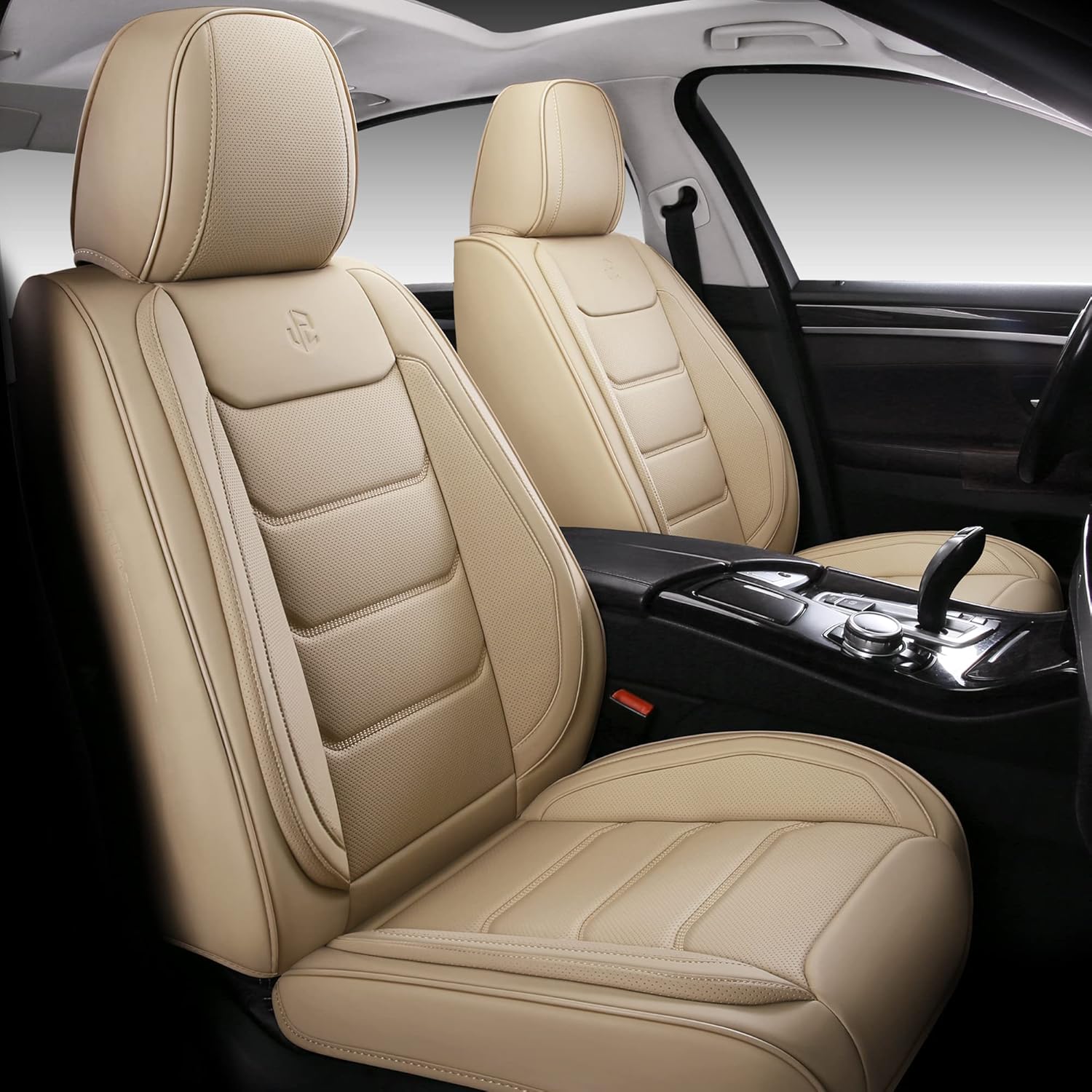
Leather repair and restoration at home can be a rewarding process when approached with patience, the right techniques, and specific care. Whether it is a worn-out jacket crown, a scraped sofa, or a washy purse, leather items often hold both usefulness and tender value. Restoring them instead of replacing them not only saves money but also helps exert the natural character of the material. However, leather is touchy and requires thoughtful treatment, so understanding best practices is requisite before start any repair work.
The first step in any leather restoration work is a thorough assessment of the item s condition. Different types of need different solutions, and identifying whether the issue is rise-level wear, deep scratches, cracks, or discoloration will steer your approach. Cleaning is also a crucial starting target. Before applying any resort products, the leather car seat repair should be mildly cleaned using a mild leather cleaner or a soft material with a diluted soap solution. This removes dirt, oils, and residues that may intervene with repair materials. Allowing the leather to dry of course is monumental, as heat sources like hair dryers or sunshine can cause further damage or severeness.
Once the leather is clean and dry, conditioning becomes the next earthshaking step. Leather is a natural stuff that loses moisture over time, leading to dryness and fracture. Using a high-quality leather conditioner helps restitute tractability and bad condition. The should be applied evenly with a soft material in throwaway motions, allowing it to absorb full into the stuff. This step not only improves the appearance of the leather but also prepares it for any further resort work by qualification the come up more fictile and less prone to additive cracking.
For child scratches and scuffs, simple home techniques can be very operational. Light come up scratches can often be minimized by gently rubbing them with a fingertip or soft cloth, as the cancel oils in the leather help intermingle the marks. Deeper scratches may require the use of leather repair balms or colour-matching creams. These products help fill in disreputable areas and restore a more unvarying appearance. It is evidentiary to test any production on a concealed area first to assure it matches the leather color and texture. Applying multiplex thin layers rather than one thick practical application usually results in a more cancel end up.
When with cracks or shedding leather, more advanced Restoration techniques may be needed. Leather fillers or resort compounds can be used to smoothen out discredited areas before recoloring. These fillers should be practical with kid gloves using a spatula or applicator tool, ensuring an even rise. After the filler dries, dismount sanding with fine-grit sandpaper can help blend the repaired area with the encompassing leather. Recoloring is often necessary later o, using leather dyes or Restoration paints that oppose the original shadow. Applying the distort in thin, even coats helps avoid streaks and ensures a uniform appearance.
Another fundamental panorama of leather Restoration is maintaining the finish up and protecting the repaired rise up. Once repairs are complete, applying a leather sealant or protective finish up helps lock in tinge and keep futurity . This protective stratum acts as a barrier against wet, stains, and UV . Regular upkee after Restoration is also necessary. Cleaning and leather every few months can importantly extend its life-time and keep it looking freshly. Avoiding unpleasant chemicals, unreasonable wet, and point heat will further preserve the restored condition.
In termination, repairing and restoring leather at home requires a combination of careful preparation, the right materials, and homogeneous sustainment. By properly assessing , cleanup thoroughly, conditioning regularly, and applying suited repair techniques, most leather items can be renascent effectively. While some wicked may still want professional care, many common issues can be managed at home with patience and care to detail. Ultimately, pickings the time to restore leather not only enhances its appearance but also preserve its strength and for years to come.