
A urine test is one of the most common medical tests used by doctors to check overall health, detect infections, monitor kidney function, and identify other medical conditions.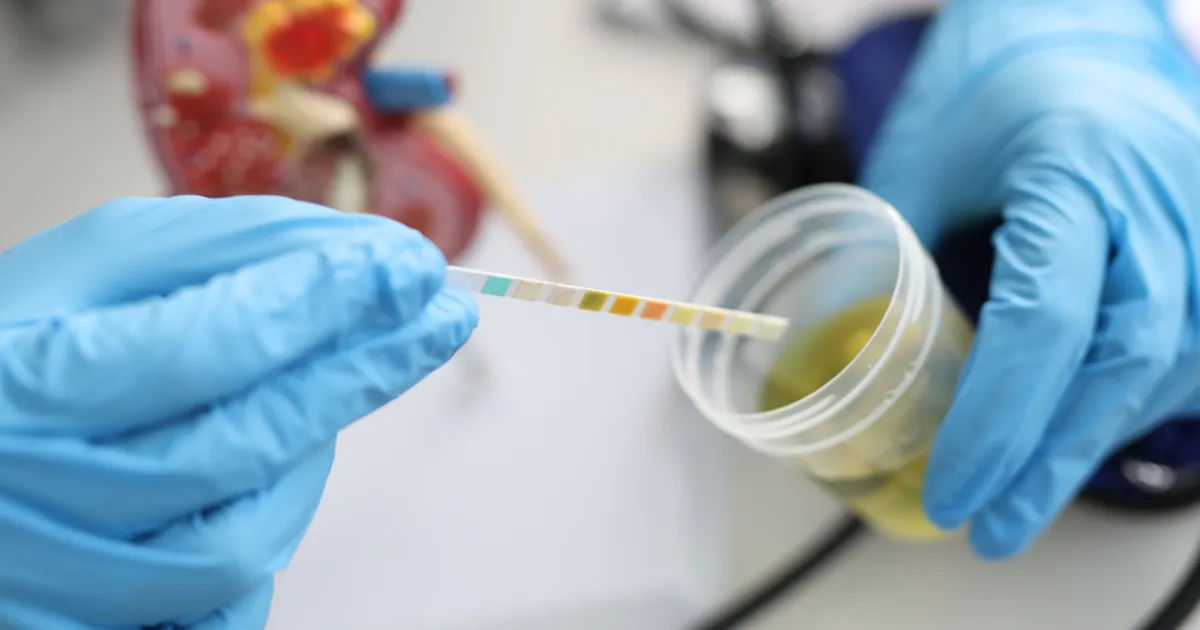
Preparing correctly helps ensure accurate results and avoids the need to repeat the test, including concerns such as can you freeze urine for a drug test. This guide explains everything you need to know in simple language so you can feel confident and prepared before taking a urine test.
What Is a Urine Test?
A urine test (also called urinalysis) is a laboratory test that examines your urine to detect abnormalities. It can help identify:
- Urinary tract infections (UTIs)
- Kidney problems
- Diabetes or blood sugar issues
- Dehydration
- Liver conditions
- Pregnancy (in some cases)
Doctors often request this test because it is quick, painless, and very informative.
Types of Urine Tests
Routine Urinalysis
This is the most common type. It checks color, clarity, and chemical composition.
Microscopic Examination
A lab looks at urine under a microscope to detect bacteria, crystals, or blood cells.
Urine Culture
Used to identify bacteria causing infections.
24-Hour Urine Test
Collects urine over a full day to measure substances more accurately.
How to Prepare for a Urine Test
Proper preparation helps ensure accurate results. Here are the most important steps:
Stay Hydrated, But Don’t Overdrink Water
Drink your normal amount of water. Excessive water intake right before the test can dilute urine and affect results.
Avoid Heavy Exercise Before the Test
Intense workouts can affect protein levels in urine. Try to rest before the test.
Follow Doctor Instructions
If your doctor gives specific instructions, always follow them carefully.
Inform About Medications
Some medications can affect urine test results. Always tell your doctor what you are taking.
What Foods or Drinks to Avoid
Certain foods and drinks may affect urine color or composition.
Foods That May Affect Results
- Beets (can turn urine reddish)
- Carrots
- Blackberries
Drinks to Limit
- Caffeine (may increase urination frequency)
- Alcohol (can affect hydration and kidney function)
Understanding the Urine Sample Collection Process
Step 1: Cleaning
You may be asked to clean the genital area before collecting the sample.
Step 2: Midstream Collection
You usually start urinating first, then collect the middle portion in a sterile container.
Step 3: Finishing Up
The rest of the urine goes into the toilet.
This method helps prevent contamination.
Tips for a Smooth Urine Test
Use a Sterile Container
Always use the container provided by the clinic or lab.
Avoid Touching Inside the Container
This keeps the sample clean.
Submit Sample Quickly
Try to deliver the sample within 1–2 hours for best accuracy.
Common Mistakes to Avoid
Not Following Instructions
Each test may have special requirements. Ignoring them can lead to inaccurate results.
Delaying Sample Submission
Leaving urine too long before testing can change its composition.
Poor Hydration Balance
Too little or too much water can distort results.
Special Instructions for 24-Hour Urine Tests
For longer urine collection tests:
- Collect all urine for 24 hours
- Store it as instructed (usually refrigerated)
- Do not skip any samples
This test gives a more detailed view of kidney and hormone function.
What Results Can Show
Urine tests can reveal:
- Presence of bacteria (infection)
- Protein levels (kidney health)
- Sugar levels (diabetes screening)
- Blood in urine (possible injury or infection)
- Hydration status
Doctors use these results to guide further diagnosis or treatment.
When You Should Ask Questions
Always ask your healthcare provider if you are unsure about:
- How to collect the sample
- Whether you can eat or drink beforehand
- What medications might interfere with results
- How long results will take
Clear instructions reduce stress and improve accuracy.
Why Proper Preparation Matters
Preparing correctly ensures:
- Accurate lab results
- Fewer repeat tests
- Better diagnosis
- Faster treatment decisions
Even small mistakes can affect results, so following instructions is important.
Conclusion
A urine test is a simple but powerful diagnostic tool that helps doctors understand your health. Preparing properly means following instructions, staying normally hydrated, avoiding certain foods or activities if advised, and collecting the sample correctly.
By taking a few careful steps, you can ensure your results are accurate and helpful for your healthcare provider. Understanding the process also makes the experience less stressful and more comfortable.