
If you work with lumber, woodworking, furniture making, or construction, understanding how a Board Foot Calculator works is an essential skill.
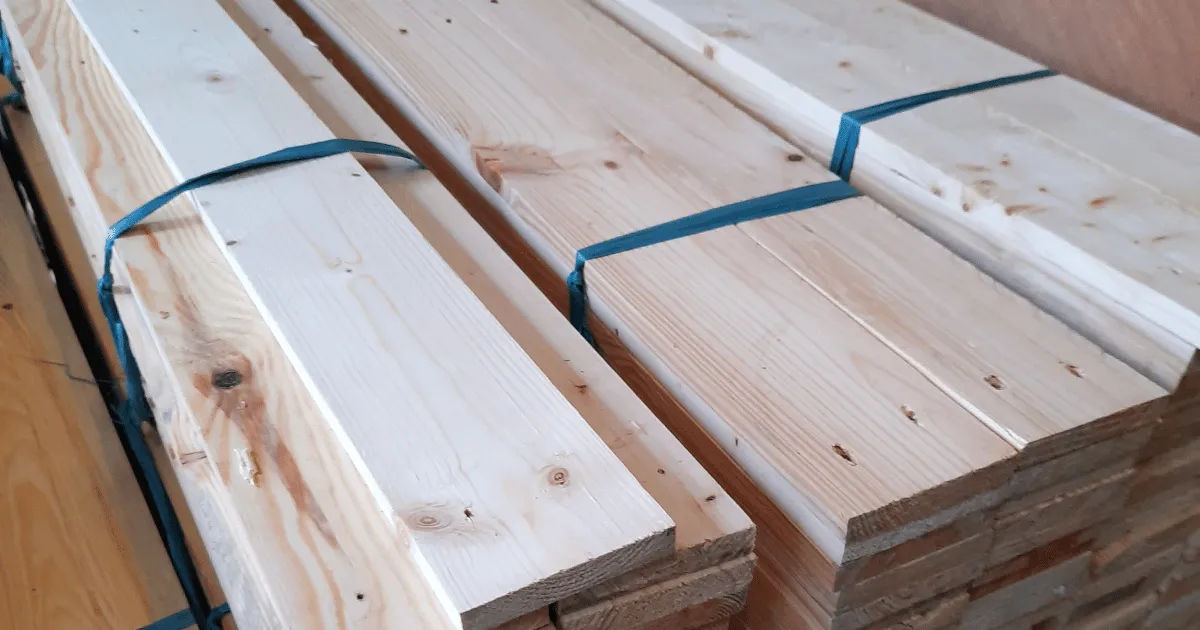
A Board Foot Calculator helps estimate the volume of lumber in a simple and accurate way, making it easier to calculate costs, reduce waste, and plan projects. Whether you are a homeowner, DIY enthusiast, carpenter, or professional contractor, learning to use this tool can save both time and money.
This comprehensive guide explains what a board foot is, how calculations are performed, why they matter, and how you can use a calculator effectively for different woodworking and construction projects.
What Is a Board Foot?
A board foot is a standard unit of measurement used in the lumber industry. It measures the volume of wood rather than just its length or width.
One board foot equals:
- 12 inches long
- 12 inches wide
- 1 inch thick
This equals 144 cubic inches of wood.
Because lumber comes in different sizes, measuring everything in board feet creates a standard method that buyers and sellers can use consistently.
Why Is Measuring Board Feet Important?
Lumber is rarely sold based only on its length. Thickness and width also affect the amount of wood you receive.
Knowing the total board feet helps you:
- Estimate lumber costs accurately.
- Compare prices between suppliers.
- Plan woodworking projects.
- Reduce unnecessary purchases.
- Prevent material shortages.
- Improve budgeting.
- Minimize waste.
Without calculating board feet, it becomes difficult to know how much lumber is actually being purchased.
What Is a Board Foot Calculator?
A Board Foot Calculator is a simple tool that automatically calculates the total board feet of a piece of lumber using three basic measurements:
- Thickness
- Width
- Length
Instead of performing calculations manually, users simply enter the measurements, and the calculator instantly provides the total board footage.
Many online calculators also estimate lumber costs after entering the price per board foot.
How Does a Board Foot Calculator Work?
A Board Foot Calculator uses a standard mathematical formula recognized throughout the woodworking and lumber industries.
The formula is:
Board Feet = (Thickness × Width × Length) ÷ 144
Where:
- Thickness is measured in inches.
- Width is measured in inches.
- Length is measured in inches.
If the length is entered in feet, the calculator automatically converts it into inches before performing the calculation.
The result tells you exactly how many board feet the piece of lumber contains.
The Formula
The calculation may look confusing at first, but it is actually very simple.
Imagine you have a board that measures:
- Thickness: 2 inches
- Width: 6 inches
- Length: 8 feet
First convert the length:
8 feet = 96 inches
Now calculate:
2 × 6 × 96 = 1,152
Then divide by 144:
1,152 ÷ 144 = 8 board feet
The board contains 8 board feet.
A calculator performs this entire process instantly.
Measurements Required
To calculate board feet accurately, you need three measurements.
Thickness
Thickness is the distance from one flat side of the board to the other.
It is usually measured in inches.
Examples include:
- 1 inch
- 2 inches
- 3 inches
Width
Width is the measurement across the face of the board.
This is also measured in inches.
Common widths include:
- 4 inches
- 6 inches
- 8 inches
- 10 inches
- 12 inches
Length
Length is measured from one end of the board to the other.
It is often measured in feet but can also be measured in inches.
Most calculators accept either measurement.
Example Calculations
Here are a few examples.
Example One
Dimensions:
- 1 inch thick
- 12 inches wide
- 10 feet long
Calculation:
(1 × 12 × 120) ÷ 144 = 10 board feet
Example Two
Dimensions:
- 2 inches thick
- 8 inches wide
- 10 feet long
Calculation:
(2 × 8 × 120) ÷ 144 = 13.33 board feet
Example Three
Dimensions:
- 3 inches thick
- 10 inches wide
- 12 feet long
Calculation:
(3 × 10 × 144) ÷ 144 = 30 board feet
These examples show how changes in thickness or width greatly affect lumber volume.
Who Uses a Board Foot Calculator?
Many industries rely on this measurement every day.
Common users include:
- Carpenters
- Furniture makers
- Cabinet builders
- Woodworkers
- Construction contractors
- Lumber suppliers
- Home builders
- DIY hobbyists
- Interior designers
- Architects
Anyone purchasing lumber benefits from accurate board foot calculations.
Benefits of Using a Board Foot Calculator
Using a Board Foot Calculator offers several advantages.
Saves Time
Manual calculations can take several minutes, especially when handling dozens of boards.
A calculator produces instant results.
Improves Accuracy
Typing measurements into a calculator reduces human error.
Accurate estimates help avoid expensive mistakes.
Makes Budgeting Easier
Knowing total board feet allows users to estimate lumber costs before buying materials.
This improves financial planning.
Reduces Waste
Buying only the required amount of lumber helps minimize leftover materials.
This reduces project costs.
Supports Large Projects
Large construction projects may involve hundreds of boards.
A calculator simplifies volume estimation for all pieces.
Manual Calculation vs Calculator
Manual calculations require:
- Measuring each board
- Converting units
- Applying the formula
- Double-checking calculations
A calculator only requires entering dimensions.
The results appear immediately.
This convenience makes calculators popular among professionals.
Common Mistakes to Avoid
Many beginners make simple measurement mistakes.
Using Wrong Units
Always confirm whether measurements are in inches or feet.
Incorrect units produce inaccurate results.
Forgetting Length Conversion
If the formula requires inches, convert feet into inches first.
Measuring Rough Lumber Incorrectly
Rough-cut lumber may differ slightly from finished dimensions.
Always use the actual measured size when necessary.
Typing Errors
Double-check each number before calculating.
A single incorrect digit changes the final result.
Why Lumber Is Sold by Board Feet
Selling lumber by board feet provides a fair pricing system.
Different boards vary in:
- Thickness
- Width
- Length
Charging by board feet ensures customers only pay for the actual volume of wood.
This method is widely accepted across lumber markets.
Cost Estimation Using Board Feet
Many suppliers price lumber per board foot.
Suppose lumber costs $6 per board foot.
If your project requires 25 board feet:
25 × $6 = $150
This makes project budgeting much easier.
Some online calculators automatically estimate costs after entering the price.
Digital Board Foot Calculators
Modern calculators are available online and through mobile apps.
Many offer additional features, including:
- Multiple board calculations
- Cost estimation
- Unit conversion
- Material tracking
- Printable reports
- Metric conversions
These tools make project planning faster and more convenient.
Tips for Accurate Measurements
To obtain reliable results:
- Measure carefully.
- Use a quality tape measure.
- Check each dimension twice.
- Record measurements immediately.
- Verify unit settings.
- Round only when necessary.
Small measurement errors can significantly affect large lumber orders.
Understanding Nominal vs Actual Size
One important concept in lumber measurement is the difference between nominal and actual dimensions.
For example:
A board labeled as 2 × 4 inches is not actually 2 inches by 4 inches.
Its finished size is closer to:
- 1.5 inches thick
- 3.5 inches wide
Professional woodworkers usually calculate using actual dimensions.
Understanding this difference improves accuracy.
Can You Calculate Multiple Boards?
Yes.
Many calculators allow users to enter:
- Number of boards
- Individual dimensions
- Total quantity
The calculator then adds the total board footage automatically.
This feature is especially useful for large construction projects.
Board Feet vs Square Feet
Many people confuse board feet with square feet.
They measure different things.
Board feet measure volume.
Square feet measure surface area.
For example:
Flooring is usually measured in square feet.
Lumber is measured in board feet.
Knowing the difference prevents ordering mistakes.
When Should You Use a Board Foot Calculator?
A Board Foot Calculator is useful whenever you need to estimate the volume of lumber before purchasing or cutting wood.
Common situations include:
- Building furniture
- Installing cabinets
- Constructing decks
- Framing houses
- Remodeling rooms
- Creating shelving
- Designing wooden fences
- Crafting woodworking projects
It is valuable for both small DIY tasks and large commercial jobs.
Choosing the Right Calculator
Not every calculator offers the same features.
Look for one that includes:
- Simple interface
- Fast calculations
- Cost estimator
- Metric and imperial support
- Multiple board entries
- Mobile compatibility
- Accurate formulas
A reliable calculator can simplify planning and improve confidence before purchasing lumber.
Frequently Asked Questions
Is a board foot the same as a cubic foot?
No.
A board foot equals 144 cubic inches, while a cubic foot equals 1,728 cubic inches.
They measure different volumes.
Can beginners use a board foot calculator?
Yes.
Most calculators are designed to be easy for beginners. You only need to enter thickness, width, and length.
Does lumber type affect board foot calculations?
No.
The formula measures volume only. Whether the wood is oak, pine, maple, cedar, or walnut, the calculation remains the same.
Are online calculators accurate?
Yes.
As long as the measurements entered are correct, online calculators provide reliable results using the standard industry formula.
Conclusion
A Board Foot Calculator is one of the most useful tools for anyone working with lumber. It eliminates guesswork by quickly calculating the volume of wood based on thickness, width, and length. This helps users estimate material requirements, compare lumber prices, manage budgets, and reduce waste during woodworking or construction projects.
Whether you are building furniture, remodeling your home, or managing a large construction job, understanding how a Board Foot Calculator works allows you to make smarter purchasing decisions and improve project planning. By using accurate measurements and the standard board foot formula, you can confidently calculate lumber needs, avoid costly errors, and complete projects more efficiently. As digital calculators become increasingly available on websites and mobile devices, measuring board feet has never been faster or easier.