
Surah Fatiah is the opening chapter of the Holy Qur’an and one of the most recited passages in the lives of Muslims around the world.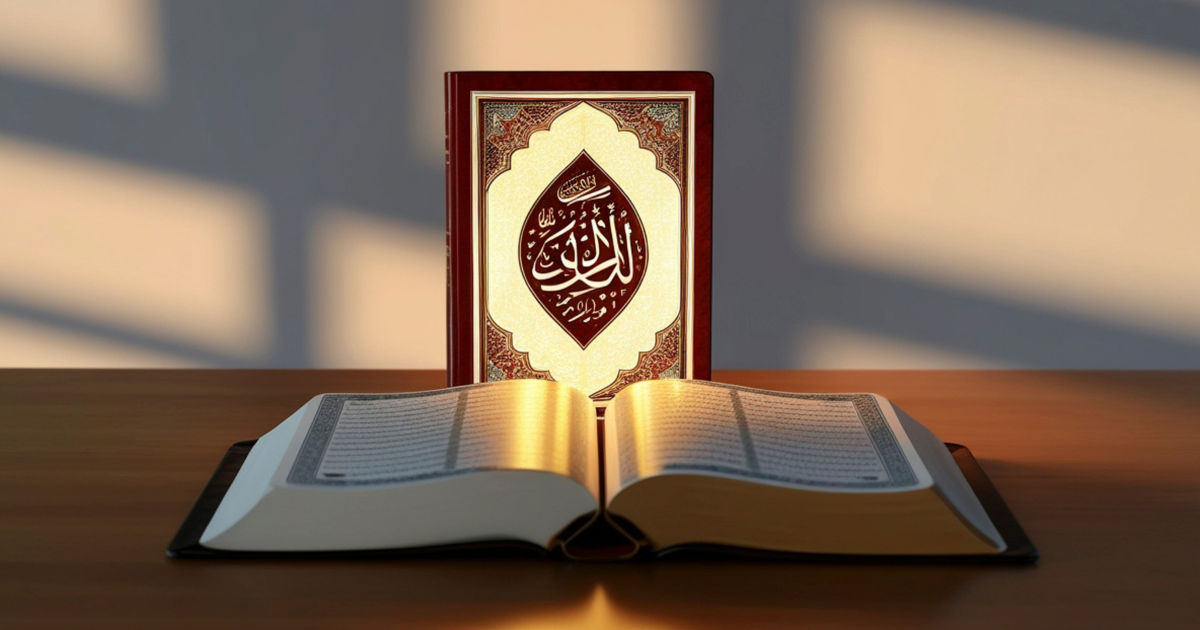
Every daily prayer begins with Surah Fatiah, making it deeply familiar, yet often not fully understood. While many people memorize Surah Fatiah at an early age, fewer take the time to reflect on its translation and meaning.
This comprehensive guide on Surah Fatiah aims to explain its translation verse by verse, explore its deeper reflections, and show how its message connects to everyday life.
Written in simple language for a 12th-grade level, this article helps readers understand not just the words of Surah Fatiah, but also its wisdom, guidance, and spiritual power.
Introduction to Surah Fatiah
Surah Fatiah holds a unique position in Islam. It is the first chapter of the Qur’an and is often called “The Opening.” Without Surah Fatiah, a prayer is considered incomplete. This alone shows how central Surah Fatiah is to a Muslim’s faith and daily routine.
Surah Fatiah consists of seven short verses, yet these verses summarize the core message of Islam. They speak about Allah’s mercy, His authority, human dependence, guidance, and the path of righteousness. Understanding Surah Fatiah helps believers develop a stronger relationship with Allah and a clearer purpose in life.
Basic Information About Surah Fatiah
Surah Fatiah was revealed in Makkah and contains seven verses. It is also known by several other names, such as “Umm-ul-Kitab” (Mother of the Book) and “As-Sab‘ al-Mathani” (The Seven Often Repeated Verses).
Surah Fatiah is both a prayer and a declaration. In it, the believer praises Allah, acknowledges His mercy, accepts His authority, and asks for guidance. This balance makes Surah Fatiah a complete spiritual conversation between the servant and the Creator.
Importance of Surah Fatiah in Daily Life
Surah Fatiah is recited at least 17 times a day in obligatory prayers. This repetition is not accidental. Each recitation reminds the believer of Allah’s mercy, their purpose, and the right path.
Surah Fatiah teaches humility. It reminds humans that guidance comes only from Allah. It also encourages gratitude by beginning with praise. Through Surah Fatiah, believers are trained to start everything in life with Allah’s name and to seek His help in all matters.
Verse-by-Verse Translation and Reflection of Surah Fatiah
In the Name of Allah, the Most Gracious, the Most Merciful
The opening verse of Surah Fatiah begins with Bismillah. This verse sets the tone for the entire Qur’an. It reminds us that everything should begin with Allah’s name.
Reflection:
This verse teaches intention. By starting with Allah’s name, a believer acknowledges that all power and success come from Him. The repeated mention of mercy shows that Allah’s relationship with humanity is based on compassion, not punishment.
All praise belongs to Allah, the Lord of all worlds
This verse declares that all praise belongs only to Allah. He is described as the Lord of all worlds, meaning everything that exists.
Reflection:
Surah Fatiah teaches gratitude. Instead of complaining, believers are encouraged to recognize Allah’s blessings. This verse shifts the mindset from negativity to appreciation and trust.
The Most Gracious, the Most Merciful
Although mercy was mentioned earlier, Surah Fatiah repeats it to emphasize its importance.
Reflection:
This repetition reassures believers that Allah’s mercy is constant. No matter how many mistakes a person makes, Allah’s mercy remains greater. Surah Fatiah gives hope to those who feel distant from faith.
Master of the Day of Judgment
This verse reminds humans that Allah is the ultimate judge.
Reflection:
Surah Fatiah balances hope with responsibility. While Allah is merciful, He is also just. This verse encourages accountability and ethical behavior, reminding believers that their actions matter.
You alone we worship, and You alone we ask for help
This verse is the heart of Surah Fatiah. It is a direct conversation with Allah.
Reflection:
Surah Fatiah teaches pure monotheism. Worship is not only prayer but complete reliance on Allah. This verse also promotes humility by reminding humans that they need Allah’s help in every aspect of life.
Guide us to the straight path
This is the main supplication in Surah Fatiah.
Reflection:
Guidance is not a one-time event. Surah Fatiah teaches that believers must constantly seek direction. Life is full of choices, and this verse is a request for moral and spiritual clarity.
The path of those who received Your favor, not of those who earned Your anger or went astray
The final verse defines the straight path.
Reflection:
Surah Fatiah teaches learning from history. By following the examples of the righteous and avoiding the mistakes of those who went astray, believers can stay balanced in faith and action.
Themes of Surah Fatiah
Mercy and Compassion
Surah Fatiah repeatedly emphasizes Allah’s mercy. This theme encourages kindness, forgiveness, and patience in human relationships.
Worship and Dependence
Surah Fatiah reminds believers that worship and reliance belong only to Allah. This builds inner strength and reduces fear of worldly pressures.
Guidance and Purpose
The constant request for guidance shows that life has a direction. Surah Fatiah gives meaning and purpose beyond material success.
Why Understanding Surah Fatiah Matters
Many people recite Surah Fatiah daily without understanding its meaning. When the translation and reflection are understood, prayer becomes more meaningful.
Surah Fatiah shapes character. It teaches gratitude, responsibility, humility, and hope. These values are essential for students, professionals, and families alike.
Surah Fatiah and Mental Peace
Surah Fatiah provides emotional comfort. Its verses remind believers that Allah is merciful and always in control. This reduces anxiety and builds inner peace.
By reflecting on Surah Fatiah, individuals learn to trust Allah during difficult times and remain grateful during ease.
Teaching Surah Fatiah to Students
For a 12th-grade audience, Surah Fatiah offers life lessons beyond religious education. It teaches discipline, ethical thinking, and self-reflection.
Teachers can use Surah Fatiah to encourage critical thinking by discussing its themes and real-life applications.
Common Misunderstandings About Surah Fatiah
Some people think Surah Fatiah is only a ritual recitation. In reality, it is a powerful prayer and guide.
Another misunderstanding is that guidance is automatic. Surah Fatiah shows that guidance must be continuously sought through effort and sincerity.
Practical Ways to Reflect on Surah Fatiah Daily
Reading the translation before prayer helps deepen focus.
Thinking about one verse each day builds understanding.
Applying its message to daily decisions strengthens faith.
Surah Fatiah becomes more meaningful when reflection becomes a habit.
Spiritual Benefits of Surah Fatiah
Surah Fatiah strengthens faith and builds a direct connection with Allah.
It encourages self-improvement and moral awareness.
It provides hope, balance, and spiritual clarity.
Conclusion:
Surah Fatiah is much more than an opening chapter. It is a complete guide to faith, worship, and daily life. Through its translation and reflection, Surah Fatiah teaches gratitude, mercy, responsibility, and the importance of seeking guidance.
Understanding Surah Fatiah transforms prayer from routine words into a meaningful conversation with Allah. Its message is timeless and relevant for every generation. By reflecting on Surah Fatiah regularly, believers can strengthen their faith, improve their character, and walk confidently on the straight path.
Surah Fatiah reminds us that no matter where we are in life, Allah’s mercy is near, His guidance is available, and His path is clear for those who sincerely seek it.