
Electrical wiring systems are the backbone of modern homes, offices, and industrial buildings. From lighting to appliances, everything depends on a safe and efficient wiring network.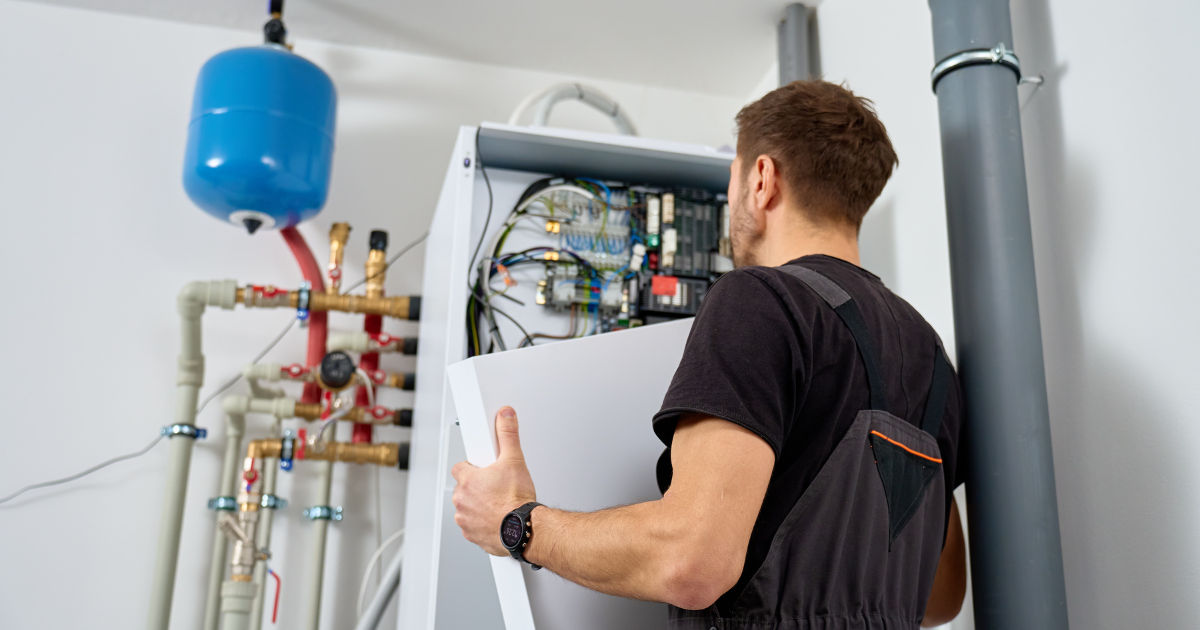
Over the years, electrical wiring systems have evolved significantly. Comparing old and new electrical wiring systems helps homeowners, electricians, and engineers understand safety improvements, efficiency, and the best practices in electrical installation.
In this comprehensive guide, PowerLink Co Pakistan will explore the differences between old and new electrical wiring systems, their advantages and disadvantages, and considerations for upgrades.
Understanding Electrical Wiring Systems
Electrical wiring systems are a network of conductors and protective devices that deliver electricity from the main power source to various electrical devices. They ensure that power flows safely and efficiently, preventing electrical hazards such as shocks, short circuits, or fires. Over the decades, technology, regulations, and safety standards have influenced the design of electrical wiring systems.
Old electrical wiring systems often used materials and methods that are now considered outdated, while new electrical wiring systems incorporate modern standards to improve safety, energy efficiency, and convenience.
Components of Electrical Wiring Systems
Before comparing old and new wiring systems, it’s important to understand the core components:
-
Conductors – Typically copper or aluminum wires that carry electric current.
-
Insulation – Material surrounding conductors to prevent electrical contact.
-
Switches and Outlets – Devices that control the flow of electricity and provide connection points.
-
Protective Devices – Fuses, circuit breakers, and grounding systems that protect against overloads or faults.
-
Conduits – Tubes or channels that house wires to protect them from physical damage.
The quality, type, and installation of these components have evolved significantly from old to new electrical wiring systems.
Old Electrical Wiring Systems
Old electrical wiring systems, commonly installed before the 1980s, are now mostly considered outdated. They include designs and materials that were standard in their time but may not meet modern safety standards. Some key characteristics include:
1. Materials
Old wiring systems often used aluminum or cloth-insulated copper wires. While functional, aluminum wires are prone to oxidation, which can cause overheating and fire hazards. Cloth insulation deteriorates over time, exposing the conductor.
2. Wiring Methods
-
Knob and Tube Wiring: This system used single-insulated wires routed through ceramic knobs, tubes, and staples. It lacked grounding and was limited in capacity.
-
Metal Sheathed Wiring: Early versions included armored cables that protected wires from physical damage but were heavy and inflexible.
3. Safety Considerations
Old electrical wiring systems often lack grounding, modern circuit breakers, or GFCI outlets. This increases the risk of electric shock or fire. Additionally, they cannot handle modern high-power appliances efficiently, leading to overloading issues.
4. Lifespan and Maintenance
The lifespan of old electrical wiring systems is usually 40–50 years if maintained. However, over time, insulation degrades, connections loosen, and wires corrode, requiring regular inspection and replacement.
New Electrical Wiring Systems
New electrical wiring systems are designed according to modern standards such as the National Electrical Code (NEC) and local safety regulations. These systems are safer, more durable, and efficient.
1. Materials
Modern systems predominantly use copper wires with PVC or XLPE insulation. Copper has excellent conductivity and durability, while PVC insulation resists heat, moisture, and mechanical damage.
2. Wiring Methods
-
Non-Metallic Sheathed Cables (NM): Flexible, easy to install, and widely used in residential buildings.
-
Conduits and Trunking: Plastic or metal conduits protect wires in commercial or industrial settings.
-
Structured Wiring: Modern systems can integrate low-voltage cables for networking, security, and audiovisual systems.
3. Safety Features
Modern electrical wiring systems include advanced safety features:
-
Circuit Breakers: Replace traditional fuses, offering reusable and precise protection.
-
Grounding Systems: Protect against electric shock and equipment damage.
-
GFCI and AFCI Outlets: Detect ground faults and arc faults, preventing shocks and fires.
-
Surge Protectors: Protect appliances from voltage spikes.
4. Energy Efficiency
Modern wiring systems minimize energy loss with proper wire sizing and insulation. They also support energy-efficient appliances and smart home technologies.
5. Maintenance and Longevity
New systems are easier to maintain and have a lifespan of 50–75 years. Their components are designed to withstand wear and tear and can easily be upgraded as technology evolves.
Key Differences Between Old and New Electrical Wiring Systems
| Feature | Old Electrical Wiring Systems | New Electrical Wiring Systems |
|---|---|---|
| Materials | Aluminum, cloth-insulated copper | Copper, PVC or XLPE insulation |
| Installation Method | Knob & tube, metal-sheathed wiring | NM cables, conduits, structured wiring |
| Safety | Limited grounding, no modern protection | Circuit breakers, grounding, GFCI, AFCI |
| Capacity | Low, not suitable for modern appliances | High, supports modern energy demands |
| Maintenance | Frequent inspections required | Less frequent, easy upgrades |
| Durability | 40–50 years | 50–75 years |
| Energy Efficiency | Low | High |
| Flexibility | Difficult to modify | Easy to modify and expand |
Advantages of Old Electrical Wiring Systems
Even though old wiring systems are outdated, they had some advantages:
-
Simplicity: Straightforward wiring methods were easy for electricians to understand.
-
Durability in Some Cases: Knob and tube wires, if well-maintained, could last decades.
-
Cost-Effective Initially: Installation costs were lower due to simpler materials.
Disadvantages of Old Electrical Wiring Systems
Despite their historical utility, old systems come with many risks:
-
Safety Hazards: Lack of grounding and protective devices increases fire and shock risks.
-
Limited Capacity: Cannot handle modern appliances and electronics.
-
Degradation Over Time: Insulation and conductors wear out, requiring costly upgrades.
-
Non-Compliance with Codes: Many old systems are no longer legal under modern building regulations.
Advantages of New Electrical Wiring Systems
New electrical wiring systems provide significant benefits:
-
Enhanced Safety: Modern insulation, grounding, and protective devices reduce hazards.
-
Higher Capacity: Can handle high-power devices and multiple circuits.
-
Energy Efficiency: Proper wire sizing reduces energy loss.
-
Flexibility and Scalability: Easy to expand or integrate with smart systems.
-
Long-Term Reliability: Durable materials and modern installation methods extend lifespan.
Disadvantages of New Electrical Wiring Systems
Although superior, new systems have minor drawbacks:
-
Initial Cost: Modern wiring materials and installation are more expensive upfront.
-
Installation Complexity: Requires trained electricians familiar with current standards.
When to Upgrade Electrical Wiring Systems
Upgrading an old electrical wiring system is crucial for safety and efficiency. Consider the following situations:
-
Frequent Circuit Breaker Trips: Indicates the system cannot handle the electrical load.
-
Flickering Lights or Sparks: Could be a sign of deteriorating wires or loose connections.
-
Outdated Materials: Aluminum wires, cloth insulation, or knob and tube wiring.
-
Adding Modern Appliances: Old wiring may not support HVAC systems, ovens, or home offices.
-
Home Renovations: Renovations provide a chance to replace outdated wiring with new systems.
Steps for Upgrading Electrical Wiring Systems
-
Assessment: Hire a licensed electrician to inspect the existing system.
-
Planning: Determine the required capacity and safety features.
-
Material Selection: Choose copper wires, proper insulation, and protective devices.
-
Installation: Follow national and local electrical codes.
-
Testing: Conduct safety tests, including grounding, continuity, and insulation resistance.
-
Documentation: Keep records of wiring diagrams and upgrades for future reference.
Importance of Electrical Wiring Systems in Safety
Electrical wiring systems are not just about supplying power—they play a critical role in preventing accidents. Faulty wiring can lead to:
-
Electric shocks
-
Short circuits
-
House fires
-
Equipment damage
Using modern wiring systems ensures protection against these hazards, providing peace of mind for homeowners and occupants.
Electrical Wiring Systems and Modern Technology
New electrical wiring systems support technology advancements:
-
Smart Homes: Integration with automated lighting, thermostats, and security systems.
-
High-Speed Internet and Networking: Structured wiring allows for data and multimedia cables alongside power lines.
-
Renewable Energy: Compatible with solar panels, battery storage, and energy monitoring systems.
Old wiring systems are rarely compatible with these technologies without major modifications.
Comparing Costs: Old vs. New Systems
While old systems were cheaper initially, the long-term costs can be higher due to:
-
Frequent maintenance
-
Higher energy losses
-
Risk of fire or damage
New electrical wiring systems require more investment upfront but reduce repair costs, energy bills, and safety risks over time.
Practical Tips for Homeowners
-
Regular Inspections: Even modern systems need periodic checks.
-
Avoid DIY Repairs: Electrical wiring systems should only be serviced by licensed professionals.
-
Upgrade Gradually: Replace circuits or sections if a full upgrade is not possible immediately.
-
Use Surge Protectors: Protect appliances and reduce electrical damage.
-
Educate Household Members: Teach basic safety precautions around electricity.
Conclusion
Comparing old and new electrical wiring systems highlights the tremendous advancements in safety, efficiency, and technology. Old systems served their purpose in the past, but they are limited in capacity, safety, and compatibility with modern appliances. New electrical wiring systems offer improved materials, better insulation, grounding, protective devices, and support for modern technologies like smart homes and renewable energy solutions.
Upgrading from old to new wiring systems is a wise investment in safety, convenience, and long-term efficiency. For homeowners, understanding the differences between old and new electrical wiring systems is essential to make informed decisions about maintenance, renovations, and safety upgrades. By choosing modern systems, we ensure a safer environment, reduced energy loss, and compatibility with the growing demands of today’s electrical devices.
Electrical wiring systems may be invisible in daily life, but their impact on safety, efficiency, and comfort is enormous. Every home, school, or office should prioritize modern, well-installed wiring systems to protect lives and property.