
If you have an old, damaged, unwanted, or no longer roadworthy vehicle, car removal in Geelong is one of the easiest ways to dispose of it while earning cash. Many vehicle owners are unaware of how the process works, what documents they need, or how long it takes. Fortunately, modern car removal services have made selling unwanted vehicles simple, convenient, and stress-free.
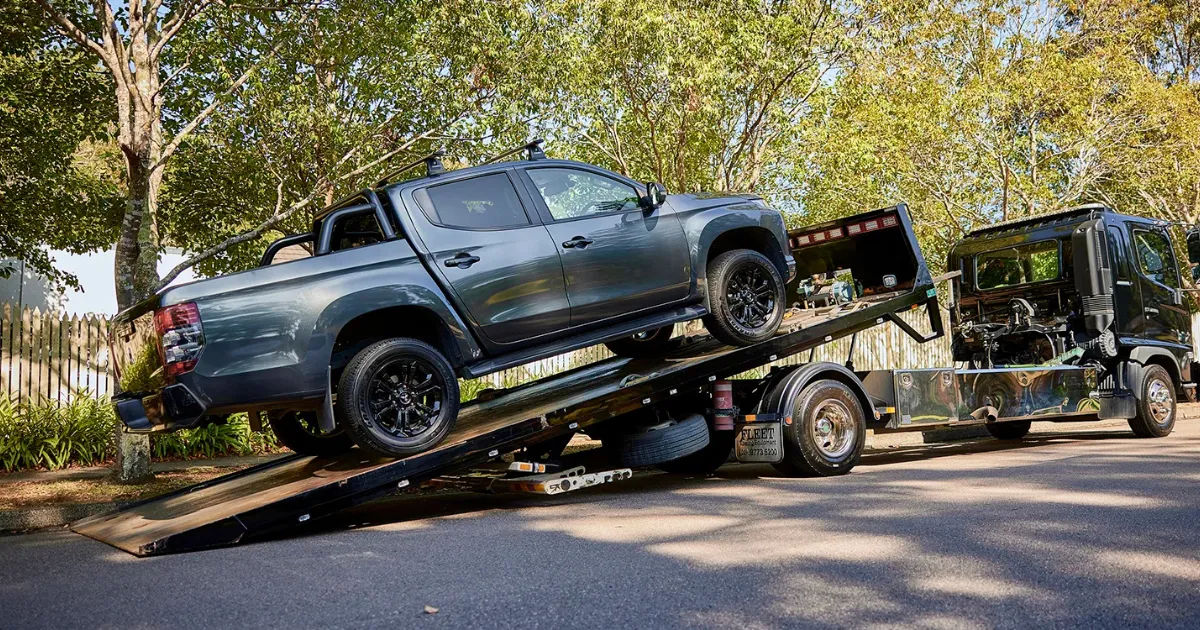
Whether your car has been involved in an accident, has mechanical problems, or is simply taking up valuable space in your driveway, professional car removal in geelong companies provide an efficient solution. They collect vehicles directly from your location, handle the transportation, and often pay you on the spot. This guide explains how the process works from start to finish, what you can expect, and why many vehicle owners choose this option over selling privately.
What Is Car Removal?
Car removal is a service that allows vehicle owners to sell unwanted cars directly to professional buyers. Instead of advertising your vehicle, meeting potential buyers, or arranging transport, a car removal company handles everything.
These services generally accept vehicles in almost every condition, including:
- Old cars
- Damaged vehicles
- Accident cars
- Scrap cars
- Flood-damaged vehicles
- Non-running vehicles
- Unregistered cars
- Commercial vehicles
- Vans, SUVs, and utes
The main advantage is convenience. The company collects the vehicle from your home, workplace, or another agreed location.
Step 1: Contact the Car Removal Company
The first step is reaching out to a reputable company. Most businesses allow you to request a quote online or over the phone.
You will usually need to provide basic information such as:
- Vehicle make
- Model
- Manufacturing year
- Registration status
- Overall condition
- Whether the vehicle starts
- Your location
The more accurate the information, the more accurate the quotation will be.
Step 2: Receive a Vehicle Valuation
Once your vehicle information is reviewed, the company calculates its value.
Several factors affect pricing, including:
Vehicle Age
Newer vehicles generally have more valuable components.
Vehicle Condition
Cars in better condition often receive higher offers than severely damaged vehicles.
Demand for Parts
Some makes and models have parts that are highly sought after.
Metal Prices
Scrap metal prices fluctuate, influencing the value of vehicles that are primarily recycled.
Weight of the Vehicle
Larger vehicles usually contain more recyclable metal.
After evaluating these details, the company provides a quote with no obligation to accept.
Step 3: Accept the Offer
If you are satisfied with the offer, you simply accept it.
Most companies then schedule a pickup time that suits your availability. Many services can arrange same-day or next-day collection depending on your location.
One of the biggest benefits is flexibility, allowing busy vehicle owners to avoid lengthy selling processes.
Step 4: Prepare the Vehicle
Before collection, spend a few minutes preparing your vehicle.
Useful preparation includes:
- Remove personal belongings
- Check the glove compartment
- Empty the boot
- Remove toll tags
- Take out important documents
- Remove custom accessories if you wish to keep them
It is also wise to cancel insurance once the sale has been completed.
Step 5: Vehicle Collection
A tow truck arrives at your chosen location on the scheduled day.
Professional operators inspect the vehicle to ensure it matches the information provided during the quotation process.
If everything is accurate, they load the vehicle safely onto the truck.
The owner usually does not need to transport the vehicle anywhere.
This free pickup service is one of the reasons many people choose car removal in Geelong instead of selling privately.
Step 6: Complete the Paperwork
Although requirements vary, some paperwork is normally required.
Common documents include:
- Photo identification
- Proof of ownership
- Registration papers (if available)
Even if registration papers are missing, many companies can still purchase the vehicle after verifying ownership.
Always ensure ownership transfer requirements are completed according to local regulations.
Step 7: Receive Payment
Once the paperwork is complete, payment is typically made immediately.
Many businesses offer:
- Cash
- Bank transfer
- Electronic payment
The payment method depends on company policy and local regulations.
Once payment is received, the vehicle officially changes ownership.
What Happens After Removal?
Many people wonder where their vehicle goes after collection.
Professional companies generally inspect every vehicle before deciding the next step.
Vehicles Suitable for Repairs
Some cars are repaired and resold if restoration is economically practical.
Parts Recycling
Vehicles with usable components are dismantled.
Common recycled parts include:
- Engines
- Gearboxes
- Alternators
- Starters
- Doors
- Mirrors
- Seats
- Wheels
- Batteries
These parts may be refurbished and sold as quality used components.
Metal Recycling
Once reusable parts are removed, the remaining vehicle shell is crushed and recycled.
Steel, aluminium, copper, and other metals are processed into raw materials for manufacturing new products.
This recycling process reduces landfill waste and conserves natural resources.
Benefits of Professional Car Removal
Many people choose professional services because they offer several important advantages.
Saves Time
Selling privately may take weeks or months.
Car removal services often complete the process within a single day.
No Advertising Required
There is no need to create online listings or answer countless inquiries.
Free Towing
Professional companies collect vehicles without charging transport fees.
Accepts All Vehicle Conditions
Running or not, many companies purchase vehicles regardless of condition.
Creates More Space
Removing unused vehicles frees valuable driveway or garage space.
Environmentally Friendly
Professional recycling ensures hazardous materials are disposed of responsibly while valuable materials are reused.
Which Vehicles Can Be Removed?
Most companies accept a wide variety of vehicles.
Examples include:
- Sedans
- Hatchbacks
- SUVs
- 4WDs
- Utes
- Vans
- Trucks
- Commercial vehicles
- Fleet vehicles
- Luxury cars
Even vehicles missing engines or major mechanical components may still qualify.
How Long Does the Process Take?
The timeline depends on scheduling and availability.
A typical process looks like this:
- Quote request: 5–15 minutes
- Offer acceptance: Immediate
- Pickup scheduling: Same day or next day in many cases
- Vehicle inspection: Around 10–20 minutes
- Payment: Immediately after paperwork
Many owners complete the entire transaction within 24 hours.
Tips for Choosing the Right Company
Not all businesses provide the same level of service.
Consider these factors before making your decision.
Read Customer Reviews
Positive reviews often indicate reliable service.
Compare Quotes
Obtaining multiple quotes helps you understand your vehicle's market value.
Check for Free Towing
Choose a company that includes collection at no additional cost.
Ask About Hidden Fees
Reputable businesses clearly explain pricing and avoid unexpected deductions.
Verify Licensing
Working with a licensed company provides additional confidence throughout the transaction.
Common Misconceptions
Several myths discourage people from using car removal services.
"My Car Is Too Old"
Older vehicles often retain value because of recyclable metals and reusable parts.
"My Vehicle Doesn't Run"
Most companies specialize in removing non-running vehicles.
"Collection Will Cost Extra"
Many reputable businesses include towing at no additional charge.
"The Process Is Complicated"
The entire process is designed to be straightforward and customer-friendly.
Frequently Asked Questions
Can I sell an unregistered vehicle?
Yes. Many companies purchase unregistered vehicles after confirming ownership.
Do I need to be present during pickup?
Most companies require the owner or an authorized representative to be present for identification and paperwork.
Can damaged cars still be sold?
Yes. Accident-damaged and mechanically faulty vehicles are commonly accepted.
Is towing included?
Many professional services include free vehicle collection.
How is the price determined?
The value depends on factors such as the vehicle's age, condition, weight, demand for parts, and current scrap metal prices.
Conclusion
Selling an unwanted vehicle no longer has to be a frustrating experience. Professional car removal in Geelong services simplify every stage of the process, from requesting a quote to receiving payment and having the vehicle collected. Whether your car is old, damaged, unregistered, or no longer running, these services provide a practical solution that saves time and effort.
Understanding how the process works helps you prepare the necessary documents, choose a reputable company, and know what to expect on collection day. Beyond convenience, vehicle removal also supports responsible recycling by ensuring usable parts are recovered and recyclable materials are processed instead of ending up in landfill.
If you have a vehicle that is no longer serving your needs, choosing a trusted car removal in Geelong service can help you clear valuable space, receive a fair price, and enjoy a smooth, hassle-free transaction from beginning to end.