
Creating a beautiful backyard water feature starts with choosing the right pump. Whether you are building a koi pond, decorative fountain, or cascading waterfall, proper pump sizing is the key to long-term success.
Many homeowners begin a ** pond and waterfall installation Long Island ** project without understanding how important the pump really is. A pump controls water movement, filtration, oxygen levels, and the visual effect of the waterfall.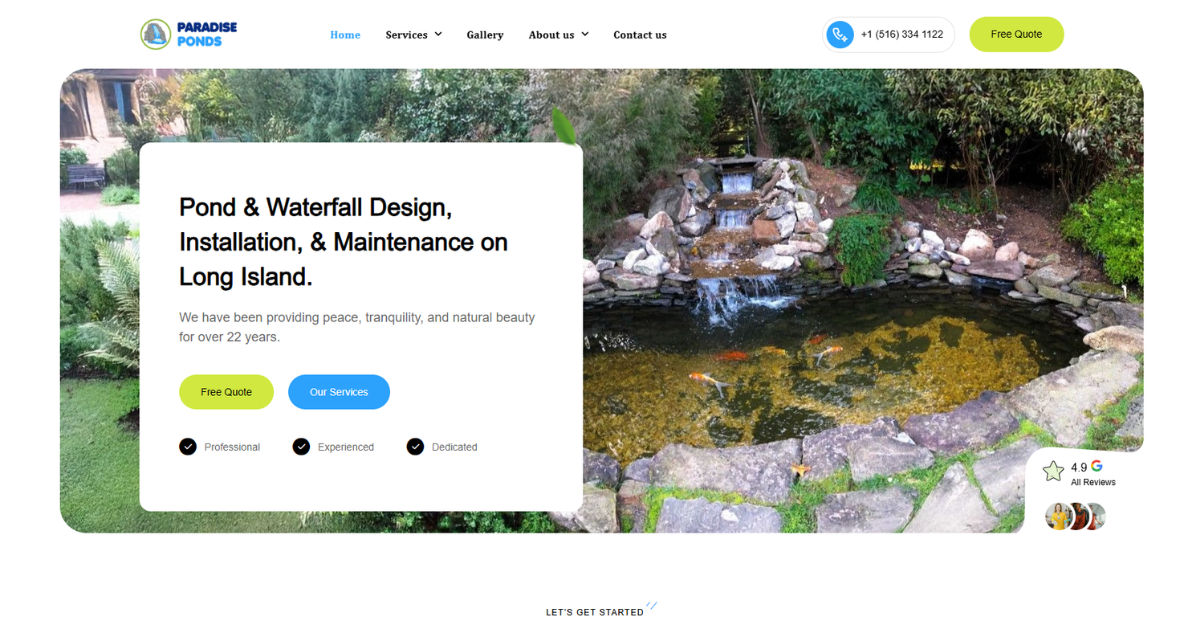
If the pump is too small, the waterfall may look weak and unattractive. If the pump is too large, it can waste electricity, create excess noise, and damage the pond system over time. That is why learning how to size pumps correctly is essential for every ** pond and waterfall installation Long Island ** project.
Long Island properties have unique landscaping conditions, seasonal weather changes, and varying yard elevations. These factors make pump selection even more important.
Homeowners need a balance between performance, efficiency, and durability. In this complete guide, you will learn how to calculate pump size, understand flow rates, determine head pressure, and choose the best pump type for your water feature.
By the end of this article, you will have a clear understanding of how professionals approach a ** pond and waterfall installation Long Island ** project and how proper pump sizing can improve appearance, energy savings, and overall pond health.
Why Pump Sizing Matters
The pump is often called the heart of a pond system. It moves water continuously through filters, streams, and waterfalls. In a professional ** pond and waterfall installation Long Island ** setup, the pump determines how effectively the entire water feature functions.
A properly sized pump provides several benefits:
- Maintains healthy water circulation
- Prevents stagnant water
- Supports filtration systems
- Creates strong waterfall flow
- Improves oxygen levels for fish and plants
- Reduces algae growth
- Saves energy costs
Improper sizing can cause major problems. A weak pump may not push enough water to the waterfall. A powerful oversized pump can overwhelm filters and increase utility bills. This is why contractors handling a ** pond and waterfall installation Long Island ** project carefully calculate pump requirements before installation begins.
Understanding Pond Pump Basics
Before selecting a pump, it is important to understand the main measurements used during a ** pond and waterfall installation Long Island ** process.
Flow Rate
Flow rate refers to how much water a pump moves per hour. It is usually measured in gallons per hour, also called GPH.
For example:
- Small decorative pond: 500–1500 GPH
- Medium backyard pond: 2000–4000 GPH
- Large koi pond: 5000+ GPH
Waterfalls usually require higher flow rates to create a natural appearance. Most experts working on a ** pond and waterfall installation Long Island ** project recommend circulating the entire pond volume at least once every hour.
Head Height
Head height refers to the vertical distance the water travels from the pump to the waterfall spillway or filter.
If the waterfall is 6 feet above the pond surface, the pump must overcome 6 feet of vertical lift. During a ** pond and waterfall installation Long Island ** design, contractors also calculate friction losses from pipes and fittings.
Total Dynamic Head
Total Dynamic Head, often called TDH, combines:
- Vertical lift
- Pipe friction
- Resistance from filters
- Elbows and fittings
This number helps determine the actual pump performance needed. Every ** pond and waterfall installation Long Island ** project should include TDH calculations to avoid poor water flow.
Determining Pond Volume
The first step in pump sizing is measuring pond volume. Without accurate volume calculations, a ** pond and waterfall installation Long Island ** system may experience circulation issues.
Formula for Pond Volume
For rectangular ponds:
Length × Width × Average Depth × 7.5 = Gallons
Example:
- Length: 10 feet
- Width: 8 feet
- Depth: 3 feet
10 × 8 × 3 × 7.5 = 1800 gallons
For irregular ponds, many contractors estimate sections separately during a ** pond and waterfall installation Long Island ** project.
Calculating Waterfall Flow
Waterfall appearance depends heavily on water flow. Different waterfall styles need different GPH levels.
Recommended Flow Rates
- Gentle trickle: 50 GPH per inch of waterfall width
- Moderate waterfall: 100 GPH per inch
- Strong waterfall: 150+ GPH per inch
For example, a 24-inch waterfall with moderate flow requires:
24 × 100 = 2400 GPH
This calculation is essential during a ** pond and waterfall installation Long Island ** planning process because homeowners often want dramatic waterfall effects.
Considering Pipe Diameter
Pipe size affects pump efficiency. Smaller pipes create resistance and reduce water flow. During a professional ** pond and waterfall installation Long Island ** job, installers match pipe size with pump capacity.
Common Pipe Sizes
- 1-inch pipe: small ponds
- 1.5-inch pipe: medium systems
- 2-inch pipe: larger waterfalls
Using pipes that are too narrow forces the pump to work harder. This increases energy consumption and shortens pump lifespan.
Types of Pond Pumps
Choosing the right pump type is another major part of a successful ** pond and waterfall installation Long Island ** project.
Submersible Pumps
Submersible pumps sit underwater inside the pond.
Advantages:
- Easy installation
- Quiet operation
- Affordable
- Good for smaller ponds
Disadvantages:
- Harder maintenance
- Shorter lifespan
- Lower efficiency
Many homeowners choose submersible pumps for simple ** pond and waterfall installation Long Island ** designs.
External Pumps
External pumps sit outside the pond.
Advantages:
- Higher efficiency
- Longer lifespan
- Better for large waterfalls
- Easier maintenance
Disadvantages:
- Higher initial cost
- More complex installation
Professional contractors often recommend external pumps for larger ** pond and waterfall installation Long Island ** systems.
Energy Efficiency Considerations
Electricity costs can become significant if a pump runs continuously. Most pond pumps operate 24 hours a day. That is why energy-efficient equipment matters in a ** pond and waterfall installation Long Island ** project.
Variable Speed Pumps
Variable speed pumps allow homeowners to adjust flow rates.
Benefits include:
- Lower electricity costs
- Adjustable waterfall appearance
- Reduced wear and tear
- Better seasonal control
Although they cost more upfront, they can save money long term in a ** pond and waterfall installation Long Island ** setup.
Seasonal Challenges on Long Island
Long Island experiences seasonal temperature changes that affect pond systems. Winter freezing conditions must be considered during a ** pond and waterfall installation Long Island ** project.
Winter Pump Considerations
Homeowners generally choose between:
- Running pumps year-round
- Shutting systems down during winter
If running during winter:
- Use freeze-resistant plumbing
- Maintain continuous flow
- Prevent ice blockages
Professionals experienced in ** pond and waterfall installation Long Island ** installations understand how local climate affects equipment performance.
Sizing Pumps for Koi Ponds
Koi ponds need stronger filtration and circulation. Fish produce waste that must be filtered continuously.
For koi-focused ** pond and waterfall installation Long Island ** systems:
- Turnover rate should be once every hour
- Larger filters are necessary
- Pumps should support biological filtration
A 4000-gallon koi pond usually requires at least 4000 GPH circulation.
Matching Pumps with Filters
The pump and filter must work together efficiently. In a balanced ** pond and waterfall installation Long Island ** system, neither component should overpower the other.
Common Filter Types
- Mechanical filters
- Biological filters
- UV clarifiers
- Pressurized filters
Each filter creates resistance that affects flow rate calculations.
Understanding Friction Loss
Water moving through plumbing loses pressure because of friction.
Factors include:
- Pipe length
- Pipe diameter
- Elbows and bends
- Valves
- Filter resistance
Ignoring friction loss is a common mistake in DIY ** pond and waterfall installation Long Island ** projects.
Example Pump Sizing Calculation
Let us look at a simple example.
Pond Details
- Pond volume: 2500 gallons
- Waterfall width: 18 inches
- Desired waterfall flow: 100 GPH per inch
- Head height: 5 feet
Step 1: Calculate Waterfall Flow
18 × 100 = 1800 GPH
Step 2: Compare to Pond Turnover
Pond requires at least 2500 GPH for hourly turnover.
Step 3: Account for Head Loss
Add approximately 20–30% for resistance.
Final recommended pump:
3000–3500 GPH
This approach is commonly used in professional ** pond and waterfall installation Long Island ** planning.
Common Pump Sizing Mistakes
Many homeowners make avoidable errors when starting a ** pond and waterfall installation Long Island ** project.
Choosing Based Only on Price
Cheap pumps often consume more energy and fail faster.
Ignoring Head Height
Pump performance drops as head height increases.
Undersized Plumbing
Small pipes restrict water flow and reduce efficiency.
Oversized Pumps
Excessive flow creates turbulence and wastes electricity.
Not Planning for Expansion
Future waterfalls, streams, or filters may require additional pump capacity.
Benefits of Professional Installation
Although DIY projects are popular, professional contractors bring valuable experience to a ** pond and waterfall installation Long Island ** project.
Professionals can:
- Calculate accurate flow rates
- Design efficient plumbing layouts
- Install proper filtration
- Ensure electrical safety
- Prevent costly mistakes
A professionally designed pond system usually performs better and lasts longer.
Pump Maintenance Tips
Even the best pump needs routine maintenance. Proper care extends the lifespan of a ** pond and waterfall installation Long Island ** system.
Regular Cleaning
Remove debris from intake screens and filters.
Inspect Plumbing
Check for leaks, cracks, or clogs.
Monitor Water Flow
Reduced flow may indicate pump wear or blockage.
Winter Preparation
Protect pumps from freezing temperatures if shutting the system down.
Routine maintenance helps avoid expensive repairs later.
Choosing the Right Waterfall Style
Waterfall style influences pump requirements in a ** pond and waterfall installation Long Island ** project.
Sheer Descent Waterfalls
These modern waterfalls require strong, even flow.
Natural Rock Waterfalls
These use varying water movement for a realistic appearance.
Multi-Level Waterfalls
These require stronger pumps due to additional elevation.
Understanding waterfall style helps determine accurate flow requirements.
Eco-Friendly Pond Pump Solutions
Many homeowners want environmentally friendly options for a ** pond and waterfall installation Long Island ** project.
Solar Pond Pumps
Solar pumps reduce electricity usage.
Advantages:
- Renewable energy
- Lower utility bills
- Eco-friendly operation
Disadvantages:
- Limited power output
- Weather dependency
Solar pumps work best for smaller decorative ponds.
Noise Considerations
Pump noise can affect backyard enjoyment.
Submersible pumps are generally quieter, while external pumps may require soundproofing. Experienced ** pond and waterfall installation Long Island ** contractors often use vibration pads and insulated housing to reduce noise levels.
Water Quality and Circulation
Good circulation improves pond health.
Benefits include:
- Increased oxygen levels
- Reduced algae buildup
- Better filtration efficiency
- Healthier fish environment
Proper pump sizing directly affects water quality in a ** pond and waterfall installation Long Island ** setup.
Safety and Electrical Requirements
Pond pumps require outdoor electrical connections.
Safety measures include:
- GFCI outlets
- Waterproof connections
- Proper grounding
- Outdoor-rated wiring
Professional electricians are often involved in large ** pond and waterfall installation Long Island ** projects.
Planning for Future Upgrades
Many homeowners expand water features over time.
Possible upgrades include:
- Additional waterfalls
- Streams
- Fountains
- UV filtration
- Larger koi populations
Planning ahead during a ** pond and waterfall installation Long Island ** project can prevent costly pump replacements later.
Budgeting for Pond Pumps
Pump prices vary significantly.
Typical Cost Ranges
- Small submersible pump: $50–$200
- Medium pond pump: $200–$600
- Large external pump: $700–$2000+
Energy-efficient pumps may cost more initially but save money over time in a ** pond and waterfall installation Long Island ** system.
Signs Your Pump Is Too Small
Common warning signs include:
- Weak waterfall flow
- Poor circulation
- Murky water
- Fish stress
- Algae growth
These problems often indicate improper sizing in a ** pond and waterfall installation Long Island ** setup.
Signs Your Pump Is Too Large
An oversized pump can also create issues.
Warning signs include:
- Excessive turbulence
- High electricity bills
- Filter overflow
- Splashing water loss
- Increased maintenance
Balanced sizing is critical for a successful ** pond and waterfall installation Long Island ** design.
Importance of Professional Design
Pump sizing is not only about gallons per hour. A complete ** pond and waterfall installation Long Island ** project considers:
- Landscaping elevation
- Pipe layout
- Filtration requirements
- Pond ecosystem
- Future maintenance
- Energy efficiency
Professional planning creates a system that looks natural while operating efficiently.
Best Practices for Long-Term Performance
To maintain long-term pond health:
- Use high-quality pumps
- Avoid undersized plumbing
- Clean filters regularly
- Monitor water levels
- Inspect equipment seasonally
- Replace worn components promptly
These practices improve the reliability of any ** pond and waterfall installation Long Island ** project.
Conclusion
Choosing the correct pump is one of the most important parts of building a successful water feature. Whether you are designing a koi pond, decorative waterfall, or complete backyard ecosystem, proper pump sizing ensures reliable performance, healthy water circulation, and beautiful waterfall flow.
A well-designed ** pond and waterfall installation Long Island ** project requires careful attention to pond volume, waterfall width, head height, plumbing size, and filtration resistance. Ignoring these factors can lead to weak waterfalls, poor water quality, and higher operating costs.
Homeowners on Long Island must also consider seasonal weather conditions, energy efficiency, and future expansion plans. Investing time in proper calculations and quality equipment helps avoid expensive repairs later.
Professional installers understand how to balance flow rates, circulation, and aesthetics to create natural-looking water features that operate efficiently year-round. Whether you choose a small decorative pond or a large koi habitat, the right pump will determine how successful your ** pond and waterfall installation Long Island ** project becomes.
By understanding the principles outlined in this guide, homeowners can confidently choose the right pump size, improve water quality, reduce maintenance issues, and enjoy a stunning outdoor water feature for many years to come.