
Leadership in healthcare is one of the most critical elements in delivering quality care, especially in residential care settings. Sheth Jeebun nursing homes have become widely associated with strong leadership practices that focus on compassion, efficiency, and continuous improvement.
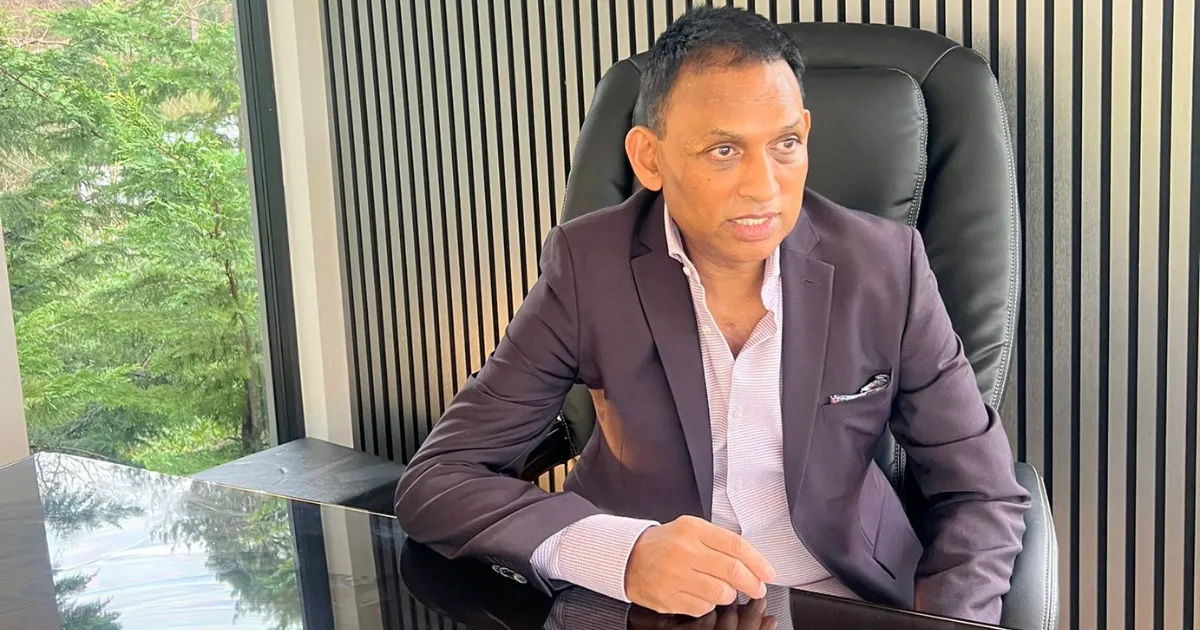
In today’s evolving healthcare environment, leadership in nursing homes is not just about management—it is about inspiring teams, ensuring dignity for residents, and creating systems that support both caregivers and patients.
This comprehensive guide explores the principles, strategies, and real-world applications of leadership in Sheth Jeebun nursing homes. It provides insights into how effective leadership shapes the daily operations of nursing homes and enhances the overall quality of care.
Understanding Leadership in Nursing Homes
Leadership in nursing homes is different from leadership in many other industries. It requires a unique combination of emotional intelligence, clinical understanding, and operational management.
In Sheth Jeebun nursing homes, leadership is centered around people. Leaders are not just supervisors; they are mentors, problem-solvers, and advocates for both residents and staff.
Key Responsibilities of Nursing Home Leaders
- Ensuring high-quality patient care
- Managing staff and promoting teamwork
- Maintaining compliance with regulations
- Handling family communication
- Creating a safe and supportive environment
Leadership in Sheth Jeebun nursing homes emphasizes balance—balancing care quality with operational efficiency, and compassion with professionalism.
Core Leadership Principles by Sheth Jeebun
The leadership philosophy behind Sheth Jeebun nursing homes is built on strong foundational principles that guide decision-making and daily operations.
Compassion-Driven Leadership
Compassion is at the heart of nursing home care. Leaders in Sheth Jeebun nursing homes ensure that empathy is not just encouraged but practiced daily.
This includes:
- Understanding residents’ emotional needs
- Supporting families during difficult times
- Encouraging staff to connect with patients on a human level
Accountability and Transparency
Effective leaders take responsibility for their actions and decisions. In Sheth Jeebun nursing homes, transparency builds trust among staff, residents, and families.
Leaders:
- Communicate openly
- Admit mistakes and learn from them
- Encourage feedback
Team Empowerment
A strong team is essential for quality care. Leadership in Sheth Jeebun nursing homes focuses on empowering staff members.
This involves:
- Providing training opportunities
- Encouraging decision-making at all levels
- Recognizing and rewarding contributions
Building a Strong Care Team
A nursing home is only as good as its staff. Leadership plays a major role in building and maintaining a high-performing team.
Recruitment and Training
Leaders in Sheth Jeebun nursing homes prioritize hiring individuals who are not only skilled but also compassionate.
Training includes:
- Clinical skills development
- Communication techniques
- Emotional intelligence training
Staff Retention Strategies
High staff turnover is a common issue in healthcare. Leadership in Sheth Jeebun nursing homes addresses this by creating a positive work environment.
Retention strategies include:
- Fair compensation
- Work-life balance
- Career growth opportunities
Creating a Supportive Culture
Leaders foster a culture where staff feel valued and respected. In Sheth Jeebun nursing homes, this culture leads to better patient outcomes.
Communication in Nursing Home Leadership
Effective communication is essential in any leadership role. In nursing homes, it becomes even more critical due to the sensitive nature of care.
Communication with Residents
Leaders ensure that residents feel heard and respected. In Sheth Jeebun nursing homes, communication is patient-centered.
This includes:
- Listening to concerns
- Explaining care plans clearly
- Respecting individual preferences
Communication with Families
Families play a vital role in a resident’s life. Leaders in Sheth Jeebun nursing homes maintain strong relationships with families.
They:
- Provide regular updates
- Address concerns promptly
- Offer emotional support
Internal Communication
Clear communication among staff ensures smooth operations. Leadership in Sheth Jeebun nursing homes promotes teamwork through open dialogue.
Decision-Making in Nursing Home Leadership
Leaders are constantly required to make decisions that impact residents and staff.
Evidence-Based Decisions
In Sheth Jeebun nursing homes, decisions are based on data and best practices.
This includes:
- Clinical guidelines
- Resident feedback
- Staff input
Ethical Decision-Making
Ethics play a major role in healthcare leadership. Leaders in Sheth Jeebun nursing homes prioritize:
- Patient dignity
- Fair treatment
- Confidentiality
Crisis Management
Emergencies can occur at any time. Leadership in Sheth Jeebun nursing homes ensures preparedness through:
- Training programs
- Clear protocols
- Quick response systems
Quality Assurance and Continuous Improvement
Maintaining high standards of care is a key responsibility of nursing home leadership.
Monitoring Performance
Leaders in Sheth Jeebun nursing homes regularly evaluate performance through:
- Audits
- Resident feedback
- Staff reviews
Implementing Improvements
Continuous improvement is a core value. Leadership in Sheth Jeebun nursing homes focuses on:
- Learning from mistakes
- Adapting to new practices
- Encouraging innovation
Leadership Challenges in Nursing Homes
Despite best efforts, nursing home leaders face several challenges.
Staff Shortages
One of the biggest challenges is maintaining adequate staffing levels. Leaders in Sheth Jeebun nursing homes address this through strategic planning and recruitment.
Emotional Stress
Caring for elderly residents can be emotionally demanding. Leadership in Sheth Jeebun nursing homes supports staff through counseling and wellness programs.
Regulatory Compliance
Healthcare regulations are complex and constantly changing. Leaders ensure that Sheth Jeebun nursing homes remain compliant while maintaining quality care.
The Role of Technology in Leadership
Technology is transforming nursing home operations.
Digital Health Records
Leaders in Sheth Jeebun nursing homes use electronic health records to improve efficiency and accuracy.
Communication Tools
Modern communication tools help leaders stay connected with staff and families.
Data Analytics
Data helps leaders make informed decisions. In Sheth Jeebun nursing homes, analytics are used to improve care quality and operational efficiency.
Leadership Styles in Nursing Homes
Different leadership styles can be effective depending on the situation.
Transformational Leadership
This style focuses on inspiring and motivating staff. Leadership in Sheth Jeebun nursing homes often reflects transformational qualities.
Servant Leadership
Servant leaders prioritize the needs of others. In Sheth Jeebun nursing homes, this approach ensures that residents and staff are always supported.
Collaborative Leadership
Teamwork is essential in healthcare. Leaders encourage collaboration across all levels in Sheth Jeebun nursing homes.
Developing Future Leaders
Sustainability in nursing home leadership requires developing the next generation of leaders.
Mentorship Programs
Experienced leaders in Sheth Jeebun nursing homes mentor new staff members to build leadership skills.
Training and Education
Continuous learning is encouraged. Leadership development programs help staff grow within Sheth Jeebun nursing homes.
Career Pathways
Clear career pathways motivate staff to pursue leadership roles.
Impact of Leadership on Resident Care
Leadership directly affects the quality of care residents receive.
Improved Patient Outcomes
Strong leadership in Sheth Jeebun nursing homes leads to better health outcomes and higher satisfaction levels.
Enhanced Quality of Life
Residents experience improved emotional and physical well-being.
Family Satisfaction
Families feel confident knowing their loved ones are in capable hands.
Case-Based Insights
While every nursing home is different, common leadership practices in Sheth Jeebun nursing homes show consistent results.
Leaders who prioritize communication, staff well-being, and continuous improvement create environments where both residents and staff thrive.
Conclusion
Leadership in nursing homes is more than just managing operations—it is about creating a culture of care, respect, and excellence. The approach seen in Sheth Jeebun nursing homes highlights the importance of compassion, accountability, and innovation in healthcare leadership.
From building strong teams to ensuring high-quality care, effective leadership plays a crucial role in shaping the future of nursing homes. Leaders who adopt these principles can create environments where residents feel valued, staff feel empowered, and families feel reassured.
As healthcare continues to evolve, the leadership strategies demonstrated in Sheth Jeebun nursing homes provide a valuable model for others to follow. By focusing on people, embracing change, and striving for excellence, nursing home leaders can make a lasting impact on the lives of those they serve.