
Pakistani wedding outfits are known for their elegance, vibrant colors, and intricate designs. One of the most important elements of these outfits is the dupatta, a long scarf or shawl that completes the traditional look.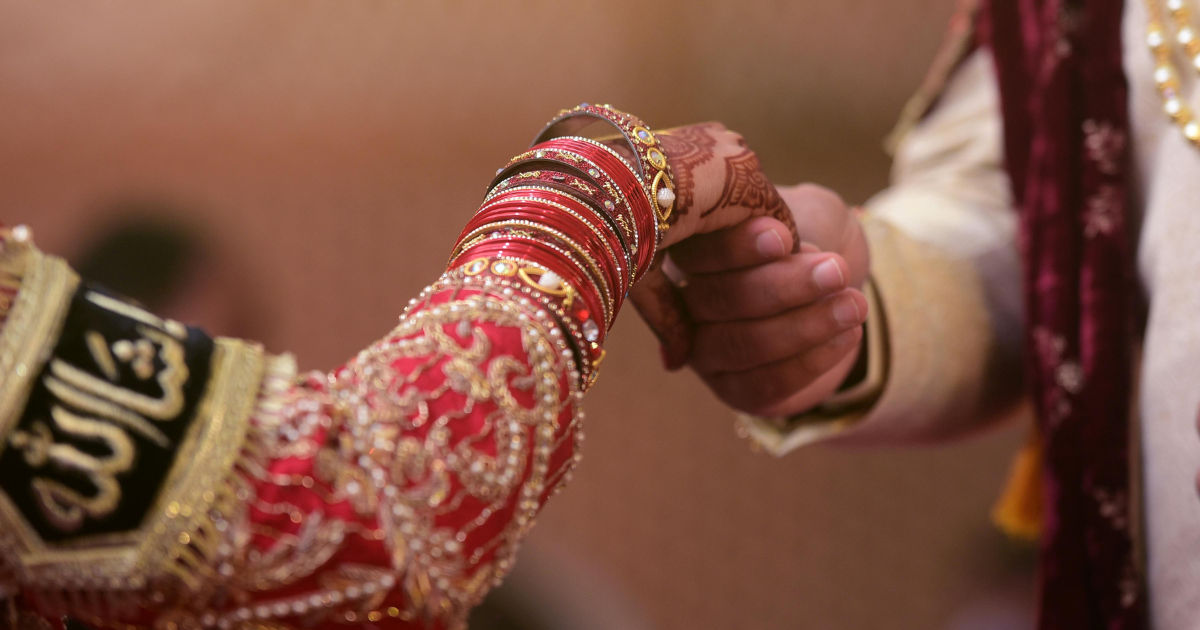
In Pakistani weddings, the dupatta is not just an accessory; it plays a central role in defining the bride’s overall appearance. Whether draped over the head, wrapped around the shoulders, or styled creatively, the dupatta adds grace and charm to the outfit.
This comprehensive guide explores various Pakistani wedding outfits and popular dupatta styles that brides and guests can choose from for any wedding occasion.
Importance of Dupatta in Pakistani Wedding Outfits
The dupatta has been a traditional piece of clothing in South Asian fashion for centuries. In Pakistani weddings, it is more than just a piece of fabric; it symbolizes modesty, elegance, and cultural heritage. A well-styled dupatta can elevate simple outfits to royal-level attire. Brides often select dupattas that match or contrast their dresses, depending on the desired look. Designers use rich fabrics like chiffon, silk, georgette, and organza to craft dupattas adorned with embroidery, beads, sequins, or zari work.
The way a dupatta is draped can change the outfit’s entire appearance. For example, a heavily embroidered dupatta draped over the head creates a regal look suitable for the main wedding day, while a light chiffon dupatta casually placed over the shoulder works for mehndi or sangeet events. Understanding how to style the dupatta is crucial for anyone aiming to make a fashion statement with Pakistani wedding outfits.
Types of Pakistani Wedding Outfits
Pakistani wedding outfits are diverse and cater to different events in a wedding celebration. Each outfit has its unique style, fabric, and embellishments. Here are some of the most popular types:
Bridal Lehenga
The bridal lehenga is a staple in Pakistani weddings. It consists of a long skirt, blouse (choli), and a dupatta. Lehenga designs range from traditional to modern, often featuring intricate embroidery, sequins, and thread work. Brides usually choose vibrant colors like red, maroon, gold, or pastel shades, depending on the theme of the wedding.
Shalwar Kameez
Shalwar kameez is a versatile outfit suitable for various wedding ceremonies. It includes a long tunic (kameez) paired with trousers (shalwar) and a matching dupatta. Wedding shalwar kameez is often embellished with intricate patterns and embroidery. This outfit offers comfort while maintaining a traditional look.
Anarkali Dress
Anarkali dresses are floor-length frocks with a fitted bodice and a flowing skirt. These outfits are elegant and perfect for formal wedding occasions. The dupatta can be styled in multiple ways with an Anarkali, such as draped over both shoulders or pinned to one side. Anarkalis often come in pastel shades, jewel tones, or bold colors with decorative borders.
Gharara and Sharara
Ghararas and shararas are two-piece outfits with wide-legged bottoms and a short or long top. These outfits are ideal for festive occasions like mehndi or reception. Dupatta styling plays a major role in enhancing the overall look, especially when paired with heavy embroidery or stonework.
Popular Dupatta Styles for Pakistani Wedding Outfits
Dupatta styling is an art in Pakistani weddings. Brides experiment with multiple draping techniques to achieve different looks for each ceremony. Here are some popular dupatta styles:
Classic Head-Draped Style
The most traditional style is draping the dupatta over the head. This style is perfect for bridal outfits, especially during the wedding ceremony. The dupatta is pinned neatly around the head and shoulders, framing the face elegantly. Heavy embroidery or embellishments on the dupatta highlight the bride’s features and complement the outfit.
One-Side Shoulder Draped Style
For events like mehndi or sangeet, brides often drape the dupatta over one shoulder. This style provides a modern touch to traditional Pakistani wedding outfits. It allows the embroidery to be visible while keeping the outfit comfortable for dancing and celebrations.
Around the Neck Style
Draping the dupatta around the neck is a chic and casual style. It is suitable for reception or pre-wedding events. The dupatta is left flowing over both shoulders, creating a graceful and effortless appearance. Lightweight fabrics work best for this style to avoid a bulky look.
Belted Dupatta Style
A modern twist on traditional draping, the belted dupatta style uses a decorative belt to hold the dupatta in place around the waist. This style is perfect for lehengas and Anarkalis. It highlights the waistline and adds a structured look while keeping the outfit secure during movement.
Cape-Style Draping
For contemporary Pakistani wedding outfits, some brides opt for a cape-style dupatta. The dupatta is styled like a cape over the shoulders or back, adding drama and elegance to the outfit. This style works well with heavily embellished lehengas and Anarkalis and is popular for photo shoots.
Choosing the Right Fabric for Dupatta
The fabric of the dupatta plays a significant role in how it complements Pakistani wedding outfits. Choosing the right material depends on the outfit type, event, and personal preference.
-
Chiffon: Lightweight and flowy, perfect for casual events and summer weddings.
-
Silk: Luxurious and shiny, suitable for bridal outfits and formal events.
-
Georgette: Soft and slightly textured, ideal for flowy dresses like Anarkalis.
-
Organza: Sheer and stiff, adds structure to heavily embroidered outfits.
-
Net: Transparent and delicate, often used for dramatic and layered draping.
Each fabric brings a unique feel to the outfit, so brides often mix and match fabrics for the perfect look.
Color Combinations for Dupattas
Color plays a crucial role in Pakistani wedding outfits. Brides often select dupattas in shades that complement their dresses or stand out as a contrast. Some popular color combinations include:
-
Red lehenga with golden dupatta
-
Pastel Anarkali with ivory or champagne dupatta
-
Maroon shalwar kameez with blush pink dupatta
-
Emerald green gown with matching green or gold dupatta
Matching the dupatta color with accessories like jewelry and shoes creates a harmonious and visually appealing look.
Embellishments and Embroidery on Dupatta
Dupattas are often the highlight of Pakistani wedding outfits due to their intricate embellishments. Some common techniques include:
-
Zari Work: Gold or silver thread embroidery for a regal look.
-
Sequins: Sparkling sequins add glamour to evening events.
-
Beads and Stones: Used to highlight patterns and borders.
-
Thread Embroidery: Traditional designs like floral, paisley, or geometric patterns.
Brides usually choose dupattas that complement the embroidery on their outfit, creating a cohesive and luxurious appearance.
Dupatta Styling Tips for Different Wedding Events
Each wedding event calls for a different look. Here’s how brides and guests can style their dupattas:
-
Mehndi: Light fabrics and bright colors, casually draped over one shoulder.
-
Sangeet: Flowing fabrics with bold patterns, styled creatively to allow free movement.
-
Wedding Ceremony: Heavily embroidered dupattas, draped over the head for a regal appearance.
-
Reception: Modern draping techniques like belted or cape style for a sophisticated look.
Accessories like hairpins, brooches, and belts can help keep the dupatta in place while enhancing the outfit’s style.
Accessorizing Pakistani Wedding Outfits with Dupatta
Accessories are essential in completing Pakistani wedding outfits. The dupatta provides a base for styling and can be paired with:
-
Jewelry: Matching earrings, necklaces, and bangles complement the dupatta’s embroidery.
-
Footwear: Heels or traditional khussas that match the outfit’s color palette.
-
Hair Accessories: Decorative pins or tiaras help secure the dupatta in place.
Proper accessorizing ensures that the dupatta does not overshadow the outfit but enhances the overall appearance.
Mistakes to Avoid While Styling Dupatta
While dupattas can elevate Pakistani wedding outfits, improper styling can spoil the look. Avoid these common mistakes:
-
Overly heavy fabrics for casual events
-
Improper pinning leading to slips or folds
-
Clashing colors between the outfit and dupatta
-
Neglecting the embroidery placement, which may hide key designs
Paying attention to these details ensures the dupatta enhances the outfit’s beauty rather than detracts from it.
Modern Trends in Pakistani Wedding Dupattas
Pakistani wedding fashion continues to evolve, and so do dupatta styles. Some modern trends include:
-
Ombre and gradient color dupattas
-
Cape-style and pre-stitched drapes for convenience
-
Minimalistic dupattas with subtle embellishments for chic looks
-
Layered dupattas combining two or more fabrics for texture
These trends allow brides to blend tradition with contemporary fashion effortlessly.
How to Take Care of Dupatta
Dupattas are often delicate and require proper care to maintain their beauty:
-
Hand wash or dry clean delicate fabrics
-
Store in a cool, dry place to prevent damage
-
Avoid heavy folding to preserve embroidery
-
Use soft hangers or wrap in tissue paper for long-term storage
Taking care of the dupatta ensures it remains a treasured part of Pakistani wedding outfits for years.
Conclusion
Pakistani wedding outfits are incomplete without a beautifully styled dupatta. From classic head drapes to modern cape styles, the dupatta adds elegance, charm, and cultural significance to every outfit. Understanding the right fabric, color, embellishment, and draping technique helps brides and wedding guests achieve a stunning and cohesive look. Pakistani wedding fashion continues to evolve, blending tradition with contemporary trends, making the dupatta a versatile and essential accessory. Whether for a mehndi, sangeet, wedding ceremony, or reception, mastering dupatta styling ensures every Pakistani wedding outfit is worn with confidence and grace.