
In today s rapidly evolving business landscape painting, the pick between a virtual power and a traditional office has become a important decision for entrepreneurs and companies likewise. Both models offer different advantages and challenges, and sympathy these differences is crucial to determinative which aligns best with your business goals, operational needs, and keep company culture.
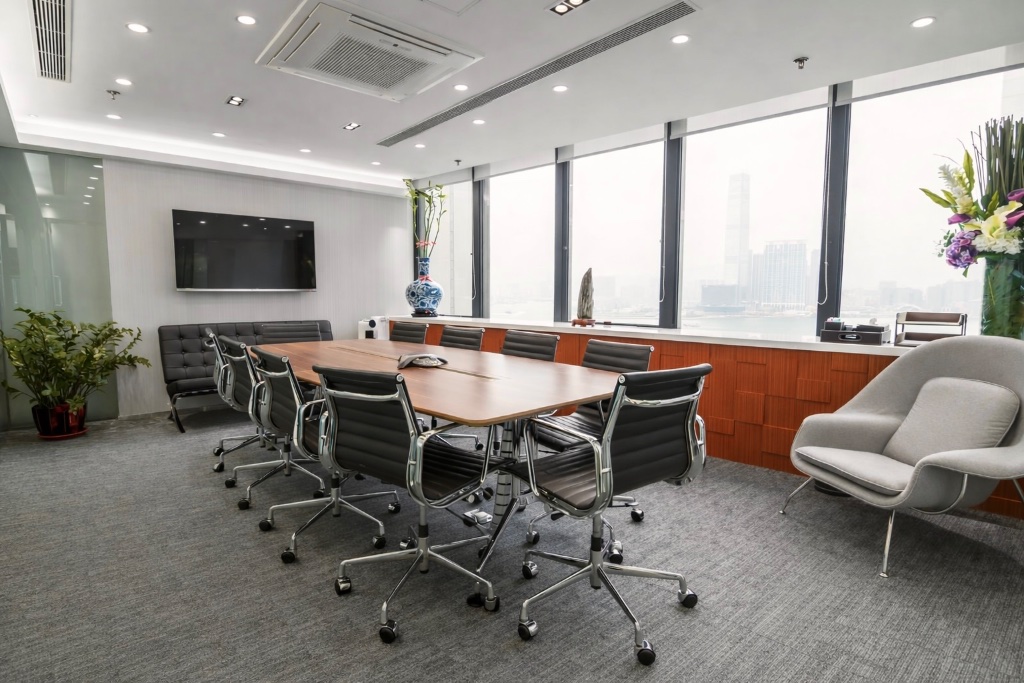
A traditional office has long been the backbone of incorporated life, providing a physical space where employees can gather, cooperate, and engage in real-time interactions. This frame-up fosters a sense of community and can enhance teamwork through face-to-face communication. For businesses that rely to a great extent on in-person collaboration, guest meetings, or work force-on operations, a traditional power provides an unionised weaponed with the necessary tools and substructure. The front of a centralized locating also makes it easier to found routines, monitor productivity, and exert a structured workflow.
However, traditional offices come with considerable costs. Leasing or purchasing office space, maintaining utilities, trappings workstations, and managing administrative expenses can point a heavily commercial enterprise burden on a company, especially for startups or small businesses. Additionally, commutation can lead to outwear and tighten work-life balance, impacting overall productivity and job satisfaction. The rigidity of a physical power can set flexibility, qualification it stimulating to conform apace to market changes or integrate remote work options without significant provision adjustments.
In contrast, practical offices offer a Bodoni, flexible alternative. A practical office allows employees to work remotely, leveraging digital tools such as video conferencing, second electronic messaging, and collaborative computer software to stay wired. This simulate reduces overhead costs well, eliminating the need for a physical workspace while still providing professional person services such as a business address, mail treatment, and call promotion. For companies with rationed teams or those looking to expand into duple regions without investing in new facilities, a practical power can volunteer alone scalability and .
The tractability of a virtual office in hong kong also supports a better work-life balance, as employees can plan their schedules around subjective commitments, leading to high job gratification and potentially improved productivity. Furthermore, businesses can tap into a world natural endowment pool without true limitations, allowing them to hire the best candidates regardless of placement. In nowadays s whole number-first thriftiness, the power to operate nigh can be a substantial aggressive advantage, particularly for startups, freelancers, and tech-focused companies.
Despite these advantages, practical offices present unusual challenges. Communication can get without face-to-face fundamental interaction, potentially leading to misunderstandings, delays, or a weakened accompany culture. Managers must rely heavily on digital monitoring tools and rely in their teams to wield productiveness. Cybersecurity also becomes a indispensable relate, as medium business data is transmitted over online networks rather than fortified within a restricted power . Moreover, some clients or partners may comprehend a practical office as less proved or less professional person than a traditional office, which could regulate business relationships.
Choosing between a virtual office and a orthodox power at long las depends on your byplay model, team dynamics, and long-term objectives. Companies that prioritize in-person quislingism, need specialised , or wield a strong node-facing front may find traditional offices obligatory. Conversely, businesses quest cost , tractableness, and access to a sparse hands might gain more from a realistic office setup. Many companies are also exploring loan-blend models, combine the benefits of both approaches by maintaining a smaller natural science power while allowing employees to work remotely part of the time.
It is also requisite to consider the nature of your manufacture and the expectations of your direct audience. Creative agencies, IT firms, and consultancy businesses often prosper in virtual or hybrid environments due to their trust on integer tools and client interactions that do not deman physical front. On the other hand, manufacturing, healthcare, and retail operations usually require natural science infrastructure, qualification a traditional power or readiness indispensable. Understanding your work requirements, preferences, and node expectations will guide you toward the most proper solution.
Ultimately, the between a practical power and a traditional power is not a one-size-fits-all choice. Businesses must press the trade in-offs between cost, tractableness, productiveness, and culture. By cautiously evaluating your companion s specific needs, resources, and strategic goals, you can make an familiar decision that supports sustainable growth, employee gratification, and long-term success in an progressively moral force byplay .