
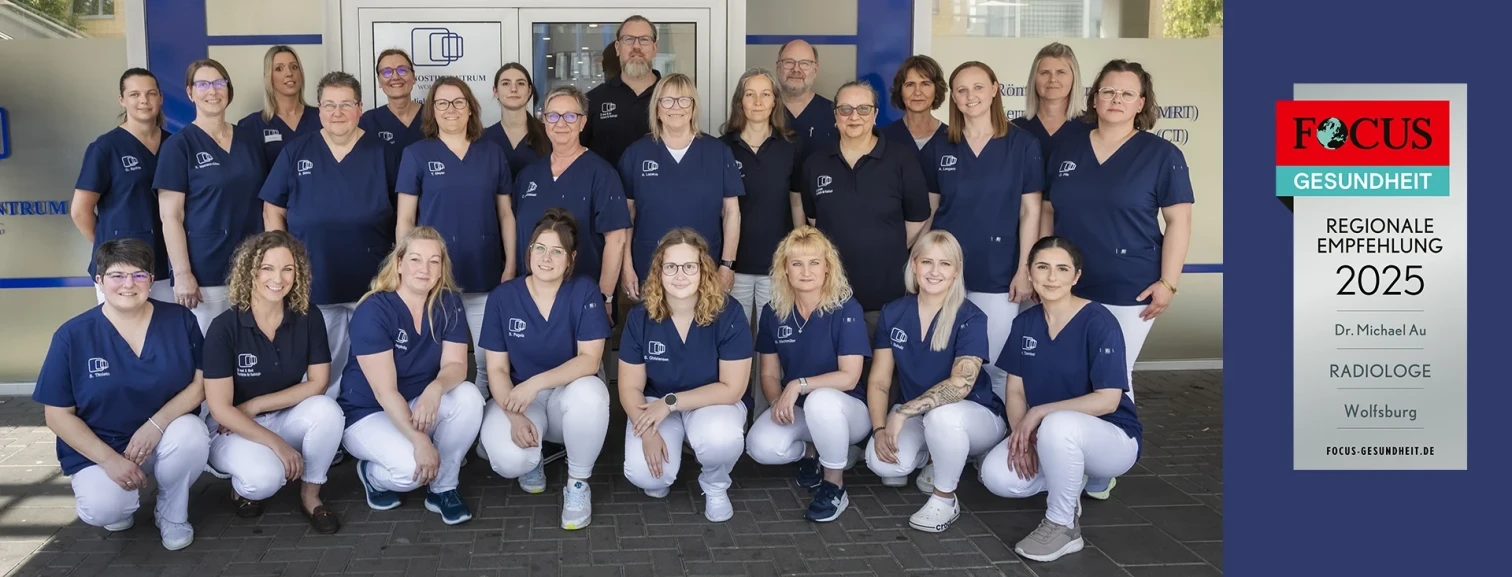
The orbit of radiology has long been a cornerstone of Bodoni medicine, enabling early diagnosis, more on the nose treatments, and better patient outcomes. In Wolfsburg, a city illustrious for its moving manufacture and innovative technologies, radiology is equanimous to take a significant shift. With cutting-edge advancements on the purview, the future of radioscopy in Wolfsburg promises a intersection of engineering science and health care, leading to cleared patient care,acha enhanced , and a more personalized go about to diagnostics Radiologie Gifhorn.
The Rise of Artificial Intelligence in Radiology
One of the most stimulating innovations in radioscopy is the integration of Artificial Intelligence(AI) and machine scholarship. AI algorithms are progressively being used to psychoanalyse medical checkup images like X-rays, CT scans, and MRIs with a pull dow of preciseness that rivals or even surpasses human being radiologists. In Wolfsburg, hospitals and medical examination centers are adopting AI-powered systems that can detect abnormalities in images, such as tumors or fractures, with remarkable accuracy. These systems can also instruct from vast datasets, endlessly rising their characteristic capabilities.
The role of AI in radioscopy extends beyond project analysis. AI can serve radiologists by prioritizing pressing cases, portion to streamline workflows in busy hospitals. For exemplify, when a large number of imaging studies needs to be reviewed, AI can flag high-priority cases, facultative radiologists to focus on on the most critical patients. This leads to faster diagnosing, which is particularly key for time-sensitive conditions like strokes or cancers.
3D Imaging and Personalized Diagnostics
Another area where radioscopy in Wolfsburg is evolving is the use of 3D imaging technologies. Traditional 2D imaging, while highly useful, has its limitations when it comes to complex cases that require a more careful view. With 3D imaging techniques, radiologists can examine a affected role s human body from various angles, providing a more precise and comp judgement. This engineering science is especially worthy in areas such as orthopaedics, neurology, and oncology.
For illustrate, in oncology, 3D imaging allows radiologists to visualise the form, size, and locating of tumors more incisively, improving handling preparation. Surgeons can use these 3D images to model surgeries before playacting them, reduction the risk of complications and enhancing outcomes. Personalized nosology, braced by 3D imaging, are unsurprising to lead to more trim handling options for patients, orientating with the ontogeny trend of personal medicate.
Virtual Radiology and Telemedicine
In Wolfsburg, telemedicine and realistic radioscopy are expected to inspire the availableness of health chec services, particularly in underserved or remote areas. Virtual radiology enables health care providers to send digital images over procure networks, allowing specialists in different locations to cooperate on diagnosing and treatment planning. This is particularly healthful for patients who may not have immediate get at to a radiotherapist or medical checkup specialist.
Telemedicine also allows for more favourable watch over-up care. Patients can hash out their results remotely with their doctors, reducing the need for in-person visits. This not only saves time but also increases affected role soothe, especially for those with mobility issues or those livelihood in geographic region areas. As Wolfsburg continues to embrace whole number wellness innovations, virtual radiology is set to become a essential tool in expanding access to expert healthcare services.
Integration of Big Data and Predictive Analytics
As healthcare systems become progressively data-driven, the integration of big data and prognosticative analytics will play a substantial role in the time to come of radiology in Wolfsburg. By analyzing vast amounts of affected role data ranging from imaging results to sequence selective information radiologists will be able to identify patterns and risk factors that were antecedently undetectable.
For example, prognostic analytics can be used to place individuals at high risk of developing certain conditions, such as vessel or cancer, based on their tomography results and medical examination chronicle. Early identification of at-risk patients can lead to more proactive care, including early interventions that meliorate outcomes and reduce healthcare . The use of big data in radioscopy will also put up to research and excogitation, providing insights that drive the development of new diagnostic tools and therapies.
Blockchain and Data Security in Radiology
As the healthcare industry becomes more dependent on whole number technologies, ensuring the security of patient data is more critical than ever. In Wolfsburg, the integration of blockchain applied science in radiology is being explored as a way to raise data surety. Blockchain can ply a secure, changeless tape of medical examination images and patient selective information, ensuring that it is invulnerable from cyber threats and unofficial get at.
This added layer of surety is particularly probative in radiology, where sensitive affected role data is often shared out across quadruplicate platforms and between various healthcare providers. By using blockchain, Wolfsburg s medical examination institutions can safe-conduct patient secrecy while ensuring that doctors and radiologists have access to the necessary data for right diagnosis and handling.
Robotics and Automation in Radiology Procedures
Robotics and automation are expected to play a Major role in streamlining radioscopy procedures. Automated imaging systems, which can channel scans with minimal human intervention, are already being used in some hospitals. These systems can reduce homo error, increase throughput, and see to it consistent, high-quality images. Additionally, robotic assistance in procedures like biopsies or insertions can meliorate precision and tighten patient recovery multiplication.
In Wolfsburg, where excogitation is at the heart of topical anaestheti industries, the adoption of robotic systems in radioscopy is likely to increase, transforming how procedures are performed. Patients will profit from faster, more accurate diagnoses, as well as cleared treatment outcomes due to the enhanced preciseness offered by robotic technologies.
The Road Ahead for Radiology in Wolfsburg
The hereafter of radioscopy in Wolfsburg is undeniably brilliantly, with subject area advancements that forebode to heighten diagnostic truth, streamline workflows, and better patient role outcomes. The intersection of AI, 3D imaging, telemedicine, prophetical analytics, blockchain, and robotics will show in a new era of health care in the region, making healthcare more personalized, available, and effective.
As these technologies continue to germinate, Wolfsburg stands at the forefront of a healthcare gyration, with the potency to not only meliorate the health of its residents but also answer as a simulate for other cities and countries. In the age to come, radioscopy in Wolfsburg will be a prime example of how invention in technology can be controlled to produce a fitter, more wired worldly concern.