
Middle eastern appetizers have earned worldwide popularity because they combine fresh ingredients, vibrant flavors, and simple preparation methods. Whether served before a family meal, at a festive gathering, or as part of a traditional mezze platter, middle eastern appetizers offer something for everyone.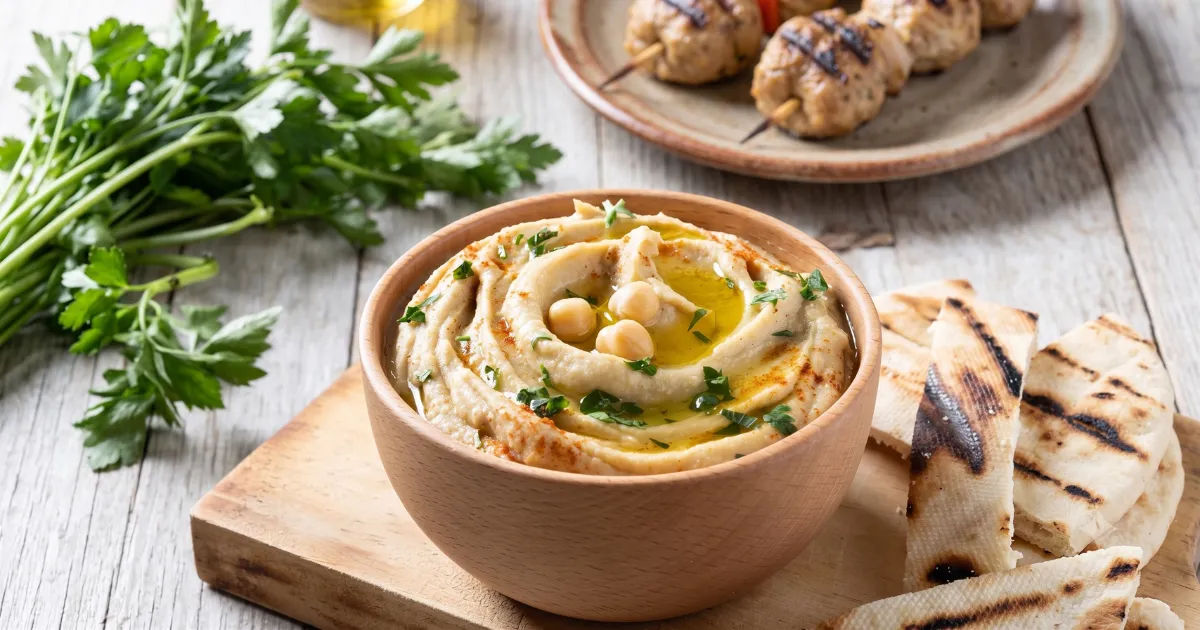
From creamy dips and crispy pastries to refreshing salads and grilled specialties, these dishes create an inviting start to any meal.One of the reasons middle eastern appetizers remain so popular is their incredible variety. Many recipes feature vegetables, legumes, herbs, olive oil, yogurt, nuts, and aromatic spices that create balanced flavors without being overly complicated.
Some are naturally vegetarian or vegan, while others include cheese, meat, or seafood.This guide explores the most loved middle eastern appetizers, explains why they are favorites across different countries, and shares serving ideas, preparation tips, nutritional benefits, and frequently asked questions. Whether you are planning a dinner party or simply exploring global cuisine, these delicious starters deserve a place on your table.
What Makes Middle Eastern Appetizers So Popular?
The popularity of middle eastern appetizers comes from their balance of freshness, texture, and flavor. Most dishes use wholesome ingredients that work together beautifully.
Several characteristics make these appetizers stand out:
-
Fresh herbs and vegetables
-
Creamy dips made with legumes or yogurt
-
Healthy fats from olive oil
-
Warm spices instead of excessive heat
-
Soft breads paired with crunchy vegetables
-
Easy sharing among family and friends
In Middle Eastern culture, appetizers are often served as part of a mezze, a collection of small dishes that encourage conversation and sharing before the main course.
Hummus
Hummus is perhaps the most famous of all middle eastern appetizers. Made primarily from chickpeas, tahini, garlic, lemon juice, and olive oil, this creamy dip has become popular around the world.
People enjoy hummus because it is:
-
Smooth and creamy
-
Rich in plant protein
-
Easy to prepare
-
Suitable for many diets
-
Perfect with pita bread or vegetables
Many variations include roasted red peppers, roasted garlic, avocado, beetroot, herbs, or spicy peppers.
Baba Ganoush
Baba ganoush is another classic among middle eastern appetizers. Instead of chickpeas, roasted eggplant forms the base of this smoky dip.
The eggplant is cooked until soft, then mixed with:
-
Tahini
-
Lemon juice
-
Garlic
-
Olive oil
-
Fresh parsley
Its smoky flavor pairs wonderfully with warm pita bread and fresh vegetables.
Falafel
Falafel is one of the most recognizable middle eastern appetizers enjoyed around the globe.
These crispy balls are made from ground chickpeas or fava beans mixed with herbs and spices.
Common seasonings include:
-
Parsley
-
Cilantro
-
Garlic
-
Onion
-
Cumin
-
Coriander
Falafel is usually deep-fried until crispy outside while remaining soft inside.
It can be served alone, with tahini sauce, or inside pita bread.
Stuffed Grape Leaves
Stuffed grape leaves, also known as dolma or warak enab, are elegant middle eastern appetizers found throughout the region.
Fresh grape leaves are wrapped around fillings that may include:
-
Rice
-
Herbs
-
Tomatoes
-
Onions
-
Pine nuts
-
Ground meat
These bite-sized rolls are often served chilled with lemon wedges.
Labneh
Labneh is a thick strained yogurt that ranks among the simplest yet most satisfying middle eastern appetizers.
It has a creamy texture similar to soft cheese.
Labneh is commonly topped with:
-
Olive oil
-
Za'atar
-
Mint
-
Sumac
-
Fresh herbs
Warm pita bread makes the perfect accompaniment.
Muhammara
Muhammara is a flavorful dip originating from Syria.
Among middle eastern appetizers, it stands out because of its sweet, smoky, and slightly spicy flavor.
Its ingredients often include:
-
Roasted red peppers
-
Walnuts
-
Breadcrumbs
-
Olive oil
-
Garlic
-
Pomegranate molasses
The result is a colorful dip packed with bold flavor.
Tabbouleh
Tabbouleh is a refreshing herb salad that appears on almost every mezze table featuring middle eastern appetizers.
Its main ingredients include:
-
Fresh parsley
-
Mint
-
Tomatoes
-
Bulgur wheat
-
Lemon juice
-
Olive oil
Rather than relying on grains, tabbouleh emphasizes fresh herbs, making it light and refreshing.
Fattoush
Fattoush is another famous salad served among middle eastern appetizers.
Unlike tabbouleh, fattoush includes crispy toasted or fried pita bread.
Other ingredients include:
-
Cucumbers
-
Tomatoes
-
Lettuce
-
Radishes
-
Mint
-
Sumac
-
Lemon dressing
The crunchy bread gives this salad its signature texture.
Kibbeh
Kibbeh is considered one of the most beloved middle eastern appetizers.
It combines:
-
Bulgur wheat
-
Ground meat
-
Onion
-
Pine nuts
-
Traditional spices
Kibbeh may be baked, fried, or even served raw in certain traditional preparations.
The fried version features a crispy shell with a juicy filling.
Cheese Sambousek
Cheese sambousek are crispy pastries commonly served among middle eastern appetizers.
These pastries are filled with cheese varieties such as:
-
Feta
-
Akkawi
-
Halloumi
Fresh herbs are often added for additional flavor.
They are fried or baked until golden brown.
Spinach Fatayer
Spinach fatayer are triangular pastries that make wonderful middle eastern appetizers.
The filling usually contains:
-
Spinach
-
Onion
-
Lemon juice
-
Sumac
-
Olive oil
The combination creates a slightly tangy, savory flavor.
Meat Sambousek
For meat lovers, sambousek filled with seasoned beef or lamb remains one of the favorite middle eastern appetizers.
Ground meat is cooked with:
-
Onion
-
Pine nuts
-
Cinnamon
-
Black pepper
The pastries become crisp while the filling stays juicy.
Halloumi Cheese
Grilled halloumi is one of the easiest middle eastern appetizers to prepare.
Because the cheese has a high melting point, it develops a golden crust while maintaining its shape.
It is commonly served with:
-
Tomatoes
-
Mint
-
Olive oil
-
Lemon
Shanklish
Shanklish is a traditional aged cheese rolled in herbs and spices.
Among middle eastern appetizers, it offers bold flavors that cheese lovers appreciate.
It is usually served with:
-
Tomatoes
-
Onion
-
Olive oil
-
Fresh herbs
Ful Medames
Ful medames is a hearty bean dish often enjoyed for breakfast but also served among middle eastern appetizers.
It includes:
-
Fava beans
-
Garlic
-
Lemon
-
Olive oil
-
Parsley
The creamy beans pair well with warm pita.
Roasted Cauliflower
Roasted cauliflower has become a modern favorite among middle eastern appetizers.
Seasoned with spices and roasted until golden, it develops a nutty flavor.
Popular seasonings include:
-
Cumin
-
Paprika
-
Turmeric
-
Garlic
Tahini sauce completes the dish.
Fried Eggplant
Eggplant appears frequently in middle eastern appetizers because of its ability to absorb rich flavors.
Slices are fried until crispy before being topped with:
-
Yogurt sauce
-
Tahini
-
Herbs
-
Pomegranate seeds
Olives and Pickles
Simple selections of olives and pickled vegetables remain essential middle eastern appetizers.
Popular options include:
-
Green olives
-
Black olives
-
Pickled cucumbers
-
Turnips
-
Carrots
-
Peppers
Their bright acidity balances richer dishes.
Fresh Vegetable Platters
Many tables featuring middle eastern appetizers include colorful vegetable platters.
Common vegetables are:
-
Cucumbers
-
Tomatoes
-
Carrots
-
Radishes
-
Bell peppers
-
Celery
They provide freshness alongside creamy dips.
Warm Pita Bread
Fresh pita is almost always served with middle eastern appetizers.
Soft, warm bread complements nearly every dip and spread.
Many people also enjoy toasted pita chips for extra crunch.
Popular Sauces
Several sauces enhance middle eastern appetizers.
Favorites include:
-
Tahini sauce
-
Garlic sauce
-
Yogurt sauce
-
Spicy chili sauce
-
Herb sauce
These condiments add additional layers of flavor.
Common Ingredients
Many middle eastern appetizers rely on a core group of ingredients that appear repeatedly.
These include:
-
Olive oil
-
Lemon juice
-
Garlic
-
Parsley
-
Mint
-
Tahini
-
Chickpeas
-
Yogurt
-
Sumac
-
Za'atar
-
Cumin
-
Coriander
Together they create balanced and memorable flavors.
Health Benefits
One reason middle eastern appetizers remain popular is their nutritional value.
Many dishes provide:
-
Dietary fiber
-
Plant protein
-
Healthy fats
-
Vitamins
-
Minerals
-
Antioxidants
Fresh vegetables, legumes, herbs, and olive oil contribute to a balanced diet.
Although some appetizers are fried, many are baked, grilled, or served fresh.
How to Serve a Mezze Platter
A mezze platter allows guests to sample many middle eastern appetizers during one meal.
A balanced platter may include:
-
Hummus
-
Baba ganoush
-
Labneh
-
Falafel
-
Tabbouleh
-
Fattoush
-
Stuffed grape leaves
-
Cheese pastries
-
Fresh vegetables
-
Olives
-
Pickles
-
Warm pita bread
Arrange everything on large serving plates to encourage sharing.
Perfect Beverage Pairings
Several beverages complement middle eastern appetizers.
Excellent choices include:
-
Mint tea
-
Fresh lemonade
-
Pomegranate juice
-
Sparkling water
-
Ayran yogurt drink
These drinks refresh the palate between bites.
Tips for Making Better Middle Eastern Appetizers
Preparing delicious middle eastern appetizers becomes easier with a few practical techniques.
Always use fresh herbs whenever possible because dried herbs cannot fully replace their bright flavors.
Choose extra virgin olive oil for dipping and finishing dishes.
Taste frequently while cooking to maintain balance between acidity, salt, and spices.
Serve dips at room temperature rather than directly from the refrigerator.
Warm pita bread just before serving.
Prepare salads immediately before serving to keep vegetables crisp.
Use fresh lemon juice instead of bottled juice whenever possible.
Toast nuts lightly before adding them to recipes for extra aroma.
Why Families Love Middle Eastern Appetizers
Families appreciate middle eastern appetizers because they suit many occasions.
They work well for:
-
Holiday celebrations
-
Family dinners
-
Picnics
-
Weddings
-
Barbecues
-
Birthday parties
-
Casual gatherings
Guests can enjoy many flavors without needing large individual portions.
Children often enjoy the variety, while adults appreciate the sophisticated flavors.
Frequently Asked Questions
Are middle eastern appetizers healthy?
Many are very healthy because they include vegetables, legumes, yogurt, olive oil, and fresh herbs.
Can middle eastern appetizers be vegetarian?
Yes. Many popular recipes are naturally vegetarian, while several are also vegan.
Can these appetizers be prepared ahead?
Most dips, spreads, and stuffed grape leaves can be made in advance. Salads are best prepared shortly before serving.
Which appetizer is best for beginners?
Hummus is usually the easiest recipe for beginners because it requires simple ingredients and minimal preparation.
Are these appetizers spicy?
Most are flavorful rather than spicy. Heat levels can easily be adjusted according to personal preference.
Conclusion
The enduring popularity of middle eastern appetizers comes from their wonderful combination of fresh ingredients, balanced flavors, and welcoming presentation. Whether you enjoy creamy hummus, smoky baba ganoush, crispy falafel, refreshing tabbouleh, or flaky pastries, every dish contributes something unique to the table. These appetizers celebrate the traditions of sharing food with family and friends while highlighting wholesome ingredients that have been enjoyed for generations.
From simple vegetable platters to elaborate mezze spreads, middle eastern appetizers offer endless possibilities for every occasion. They are versatile enough for casual lunches, elegant dinner parties, festive holidays, and everyday meals. Their emphasis on fresh herbs, olive oil, legumes, yogurt, and vibrant vegetables makes them both satisfying and nutritious. By learning a few classic recipes and serving them together, anyone can experience the rich culinary heritage of the Middle East while creating memorable meals filled with flavor, variety, and hospitality.