
When it comes to building design, many people focus primarily on the interior aspects such as furniture, layout, and decor. However, the exterior of a building plays an equally crucial role in its durability, appearance, and efficiency.
One of the most effective ways to enhance the exterior of a building is through exterior cladding.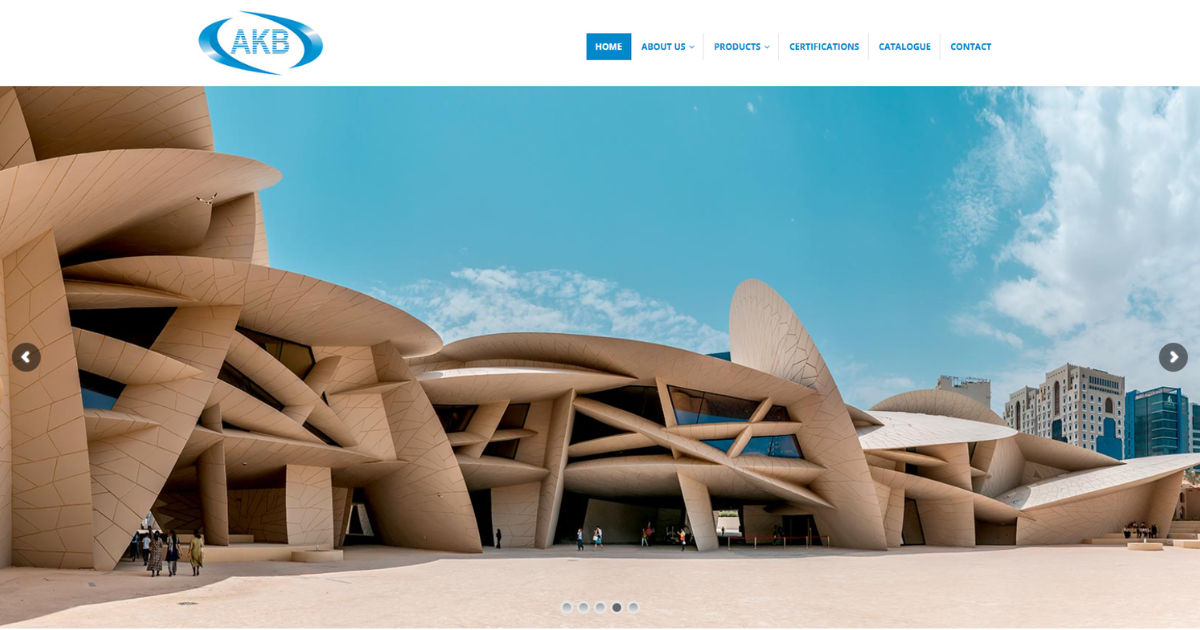
Companies like Akbari Engineering specialize in providing high-quality cladding solutions that protect buildings while also improving their aesthetic appeal.
In this guide, we will explore why exterior cladding is essential, its benefits, types, installation considerations, and much more.
What is Exterior Cladding?
Exterior cladding is the application of one material over another to provide a protective layer on the outside of a building. This layer acts as a shield against environmental elements such as rain, wind, sunlight, and temperature fluctuations. Beyond protection, cladding also adds texture, color, and style to a building’s exterior, making it visually appealing.
Cladding is not just about beauty—it serves practical purposes. From insulation to structural protection, the right cladding can increase a building's lifespan and reduce maintenance costs over time. Akbari Engineering offers cladding solutions that balance aesthetics with functionality, ensuring long-lasting performance.
Why Exterior Cladding is Crucial
Protection Against Weather
Buildings are exposed to harsh environmental conditions, including heavy rain, wind, snow, and intense sunlight. Over time, these elements can damage the structure, leading to cracks, mold, and decay. Exterior cladding acts as a protective barrier, preventing water seepage and reducing the impact of UV rays.
For instance, rainwater can seep into walls and weaken structural materials, which might cause long-term issues. Cladding systems installed by Akbari Engineering are designed to prevent water infiltration while allowing the walls to breathe, maintaining a dry and healthy interior.
Energy Efficiency and Insulation
One of the major benefits of exterior cladding is improved energy efficiency. Cladding materials, especially insulated panels, help in regulating indoor temperatures. During winter, they prevent heat from escaping, and during summer, they keep interiors cooler.
By reducing the need for heating and cooling systems, cladding helps homeowners save significantly on energy bills. Akbari Engineering integrates modern insulation technology with cladding systems to maximize energy efficiency in both residential and commercial buildings.
Enhancing Aesthetics
Cladding provides an opportunity to dramatically improve the visual appeal of a building. Available in various materials, colors, and textures, cladding allows architects and designers to create unique and attractive facades.
Whether it’s modern metallic finishes, natural wood looks, or sleek composite panels, cladding can transform a plain exterior into a visually striking structure. Akbari Engineering ensures that the chosen cladding complements the building’s design, adding both elegance and value.
Longevity and Durability
Buildings without proper protection tend to deteriorate faster. Exterior cladding extends the life of a building by shielding it from mechanical damage, moisture, and other external factors. Durable cladding materials like fiber cement, metal panels, or stone veneers offer robust protection against wear and tear.
Moreover, regular maintenance becomes easier with cladding, as it reduces the likelihood of cracks and material decay. Akbari Engineering provides cladding solutions that are designed to last for decades with minimal maintenance, ensuring long-term performance.
Sound Insulation
Noise pollution is a growing concern, especially in urban areas. Certain types of cladding materials provide sound insulation, helping to reduce external noise entering the building. This is particularly beneficial for schools, hospitals, residential complexes, and offices located in noisy environments.
By combining aesthetic appeal with practical benefits like noise reduction, cladding enhances the comfort and livability of a space. Akbari Engineering uses soundproof cladding technologies to create quieter indoor environments for better concentration and relaxation.
Types of Exterior Cladding
Metal Cladding
Metal cladding is commonly used in modern architecture due to its durability and sleek appearance. Materials such as aluminum, steel, and copper are popular choices. Metal cladding is resistant to fire, corrosion, and pests, making it ideal for commercial and industrial buildings.
Akbari Engineering provides customized metal cladding solutions, ensuring precision installation and a polished finish that enhances the overall aesthetics of any building.
Stone Cladding
Stone cladding provides a natural and timeless look. Materials such as granite, marble, and limestone are often used. Stone cladding is highly durable and requires minimal maintenance, making it suitable for both interior and exterior walls.
Stone cladding also adds value to a property by creating a sense of luxury and elegance. Akbari Engineering sources premium stone materials and applies them using techniques that guarantee longevity and beauty.
Wood Cladding
Wood cladding offers warmth and a natural look to any building. It is ideal for residential spaces, cabins, and resorts. However, wood cladding requires regular maintenance to prevent decay and termite infestation.
With proper treatment and installation, wood cladding can last for decades. Akbari Engineering specializes in high-quality wood cladding solutions that are treated to withstand environmental challenges while maintaining their aesthetic appeal.
Vinyl Cladding
Vinyl cladding is a cost-effective and low-maintenance option. It is lightweight, easy to install, and available in multiple colors and designs. Vinyl cladding is resistant to moisture and pests, making it ideal for homes in humid or rainy regions.
Akbari Engineering offers a wide range of vinyl cladding options that provide durability without compromising on style, making it a popular choice for modern residential projects.
Composite Cladding
Composite cladding combines materials like wood and plastic to offer the advantages of both. It is durable, low-maintenance, and resistant to environmental wear. Composite cladding is available in a variety of textures and colors, mimicking the look of natural wood or stone.
Akbari Engineering provides premium composite cladding that balances strength, appearance, and eco-friendliness, ideal for contemporary building designs.
Key Benefits of Installing Exterior Cladding
Weather Resistance
Cladding acts as the first line of defense against harsh weather, reducing the risk of water penetration, mold growth, and structural damage.
Thermal Insulation
High-quality cladding systems provide thermal insulation, reducing heating and cooling costs while improving comfort.
Fire Resistance
Materials like metal, stone, and certain composites enhance fire resistance, protecting buildings from potential hazards.
Low Maintenance
Cladding reduces the need for frequent painting and repair, saving homeowners and building managers time and money.
Improved Property Value
A well-clad building is more attractive and marketable. Cladding enhances the property’s curb appeal and overall market value.
Acoustic Benefits
Certain cladding systems reduce noise pollution, creating a more peaceful and productive indoor environment.
How to Choose the Right Cladding
Choosing the right cladding involves several considerations:
- Climate Conditions: Buildings in rainy or humid areas may benefit from metal or vinyl cladding, while dry climates can use wood or stone.
- Aesthetic Goals: Consider the style and design of the building to ensure the cladding complements its appearance.
- Budget: Cladding materials vary widely in cost. Companies like Akbari Engineering provide solutions across different price ranges without compromising quality.
- Maintenance: Consider how much time and effort you are willing to invest in maintaining the cladding.
- Durability: Look for materials that offer long-term performance and can withstand environmental stress.
Installation Considerations
Proper installation is crucial to maximize the benefits of exterior cladding. Poor installation can lead to water seepage, warping, or reduced insulation. Key points to consider include:
- Surface Preparation: Ensure the building surface is clean and level.
- Fastening Techniques: Proper fastening ensures stability and resistance to wind and weather.
- Insulation Integration: Combining insulation with cladding improves energy efficiency.
- Professional Expertise: Hiring experienced professionals like Akbari Engineering ensures precise installation and long-term performance.
Common Myths About Exterior Cladding
Cladding is Just for Aesthetics
While cladding improves appearance, it also provides protection, insulation, and structural benefits.
Cladding is Expensive
Cladding offers long-term savings through energy efficiency and reduced maintenance costs, making it a cost-effective investment.
Cladding Requires Constant Maintenance
Modern cladding materials are low-maintenance, especially composites, metals, and treated wood, requiring minimal care.
Any Cladding Can Fit Any Building
Cladding must be chosen based on climate, building design, and structural requirements. Professional guidance ensures optimal results.
Sustainability and Eco-Friendly Cladding
With growing environmental awareness, sustainable cladding is gaining importance. Materials like recycled metal, eco-friendly composites, and sustainably sourced wood reduce environmental impact. Cladding also improves energy efficiency, lowering a building’s carbon footprint.
Akbari Engineering emphasizes eco-friendly cladding options, helping builders and homeowners create sustainable structures without compromising quality or design.
Maintenance Tips for Exterior Cladding
Maintaining cladding ensures longevity and performance. Some practical tips include:
- Regular Cleaning: Remove dust, dirt, and debris to prevent staining or deterioration.
- Inspect for Damage: Check for cracks, warping, or water infiltration.
- Repainting or Sealing: Certain materials like wood may require occasional sealing or painting.
- Professional Checks: Schedule inspections with experts like Akbari Engineering to address potential issues early.
Conclusion
Exterior cladding is much more than a decorative layer—it is a crucial component that protects buildings, improves energy efficiency, enhances aesthetics, and adds long-term value. Whether it’s metal, stone, wood, vinyl, or composite, the right cladding choice can significantly impact the durability and functionality of a structure.
Professional expertise, like that provided by Akbari Engineering, ensures that cladding is chosen and installed correctly, delivering the perfect balance between protection and style. Investing in quality exterior cladding is an investment in the longevity, safety, and beauty of any building.
For anyone planning a new construction or renovation project, understanding the importance of exterior cladding is essential. With proper materials, installation, and maintenance, cladding can transform any building into a resilient, efficient, and visually stunning structure that stands the test of time.